


Bramki obrotowe: Typy, Zastosowania, oraz Jak wybrać właściwego
2026-03-10


Bramy bramki obrotowe to jeden z najskuteczniejszych sposobów kontrolowania, kto wchodzi do budynku, Stacja tranzytowa, lub obszar ograniczony — i robią to bez tworzenia wąskich gardeł czy polegania na ręcznych kontrolach bezpieczeństwa. Niezależnie od tego, czy zarządzasz lobby korporacyjnym, wejście na stadion, albo hala fabryczna, Prawa bramka bramki obrotowej uniemożliwia dostęp nieupoważnionym osobom, jednocześnie utrzymując ruch osób upoważnionych.
Ten przewodnik obejmuje każdy typ bramki obrotowej, Wyjaśnia, jak działają, i daje jasny wybór, jak wybrać najlepszą dla Twojej placówki.
Czym są bramki bramkowe?
Brama bramki obrotowej to fizyczna lub elektroniczna bariera dostępu, która pozwala jednej osobie przejść przez nią w danym momencie. Podstawowa zasada jest prosta: tylko osoby z ważnymi uprawnieniami — karta, Odcisk palca, Kod QR, lub bilet — można się przebić. Wszyscy inni są blokowani.
Turnikety są wykorzystywane w systemach transportu i na stadionach od początku XX wieku. Jednak, Dzisiejsze modele są znacznie bardziej zaawansowane. Nowoczesne bramki obrotowe integrują się z platformami opartymi na chmurze, Skanery biometryczne, Systemy rozpoznawania twarzy, oraz dashboardy monitorowania w czasie rzeczywistym. W rezultacie, stały się fundamentem kontroli dostępu na poziomie korporacyjnym.
Są one powszechnie instalowane przy:
- Biura korporacyjne i lobby siedzib
- Dworce kolejowe i dworce autobusowe
- Stadiony, Piaski, oraz miejsca wydarzeń
- Obiekty przemysłowe i hale produkcyjne
- Uniwersytety, Szkoły, oraz szpitale
- Centra danych i budynki rządowe
Rodzaje bramek bramek obrotowych (I kiedy używać każdego z nich)
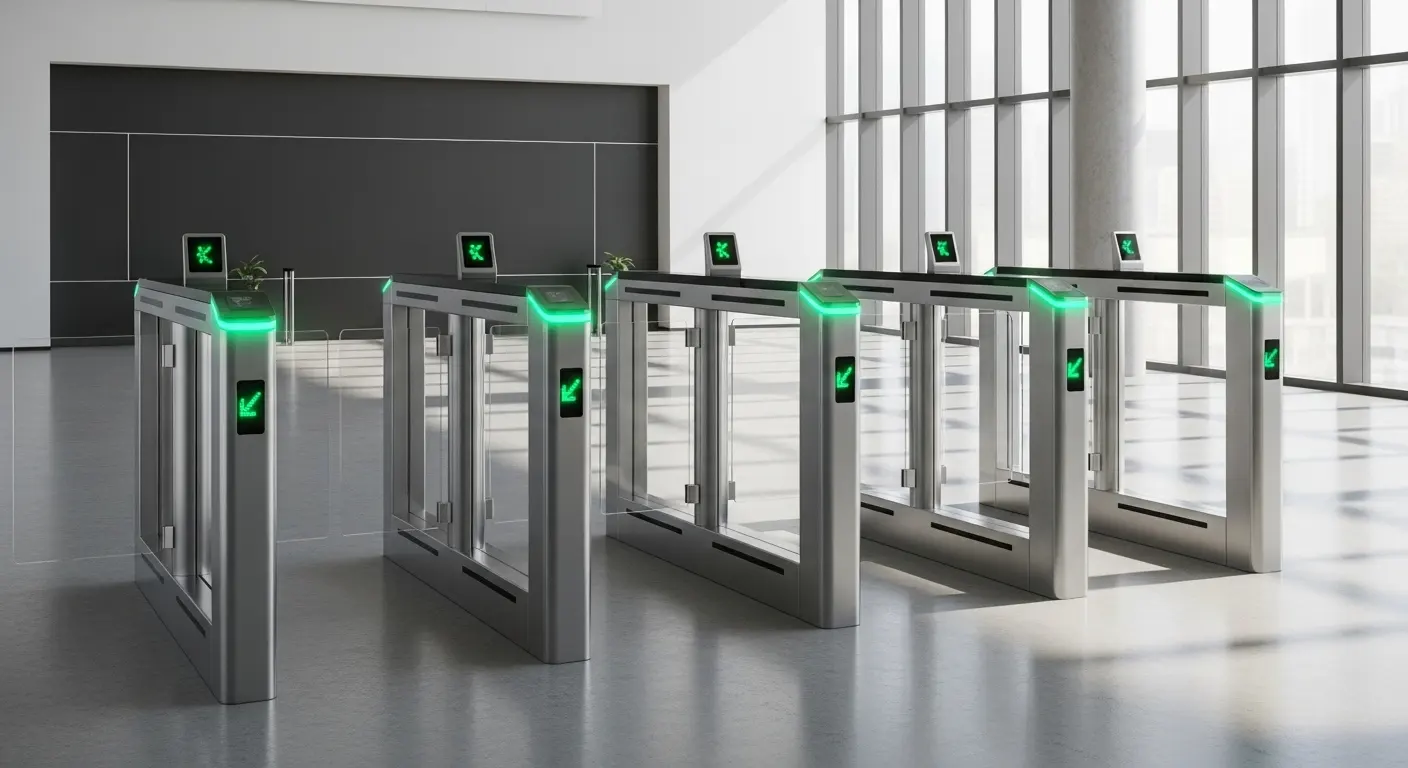
Wybór odpowiedniej bramki obrotowej zaczyna się od zrozumienia swoich opcji. Każdy typ obsługuje inny poziom bezpieczeństwa, Natężenie ruchu, oraz środowisko fizyczne.
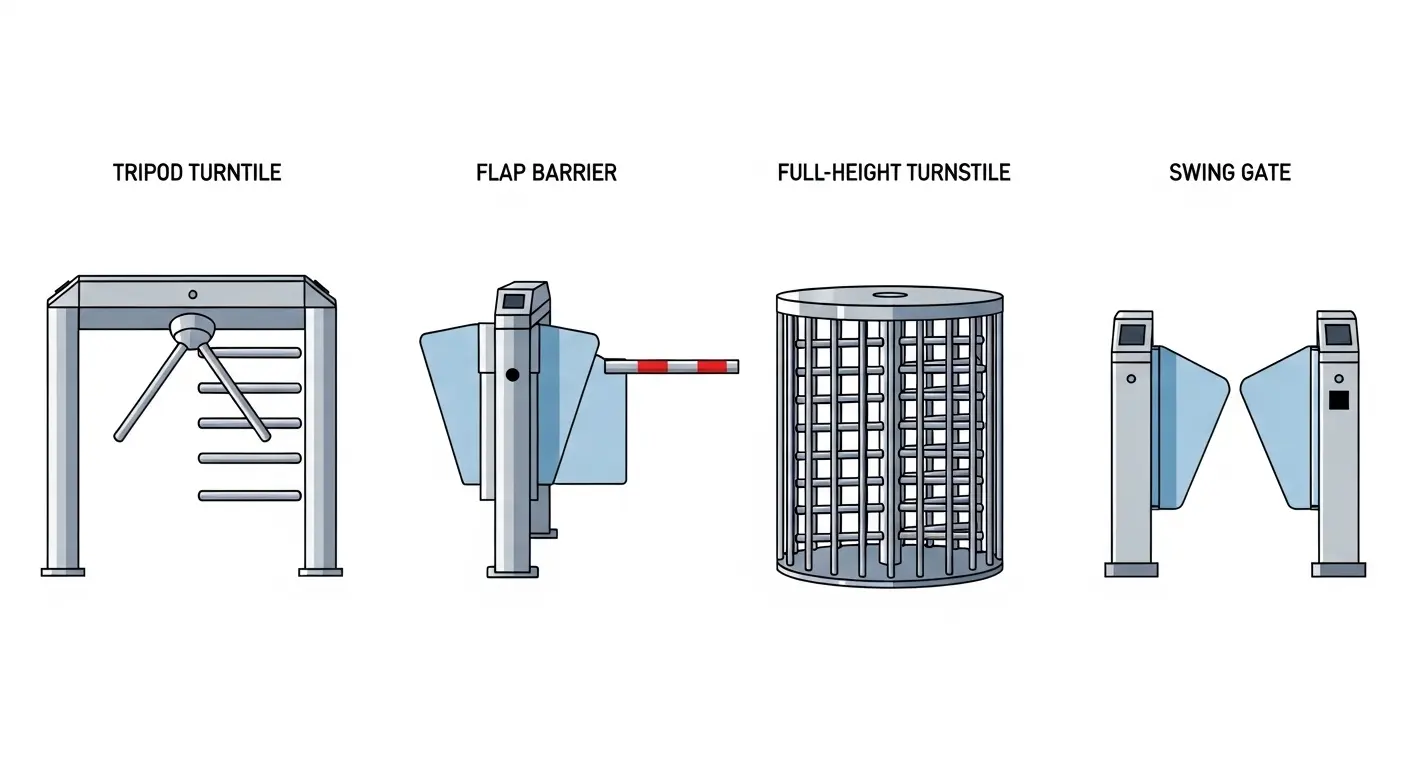
1. Bramy bramek obrotowych na statywie
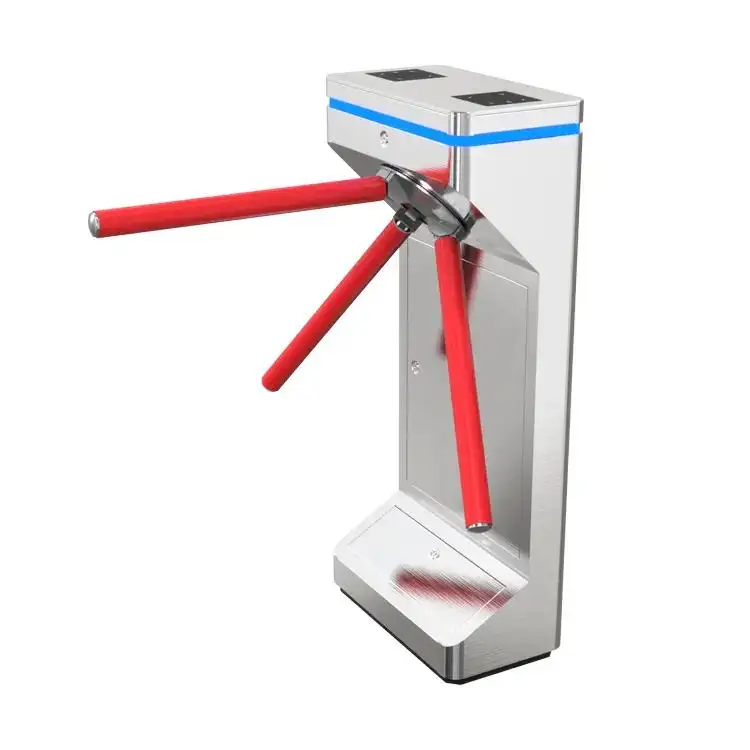
Bramki trójnogowe używają trzech obracających się ramion na wysokości pasa. Gdy użytkownik przedstawia ważne dane uwierzytelniające, Jedno ramię obraca się do przodu, aby umożliwić wejście. Są najbardziej przystępne cenowo, Najczęściej spotykane, i najłatwiejsza do instalacji.
Najlepsze dla: Plac budowy, Siłownie, Szkoły, oraz wdrożenia o ograniczonym budżecie. Jednak, mają dwa ograniczenia — same w sobie nie spełniają ADA, a zdeterminowane osoby mogą korzystać z jazdy na zaczepce, jeśli nie zamontowano czujnika przeciwklapowego.
2. Bramy bramek z barierą klap
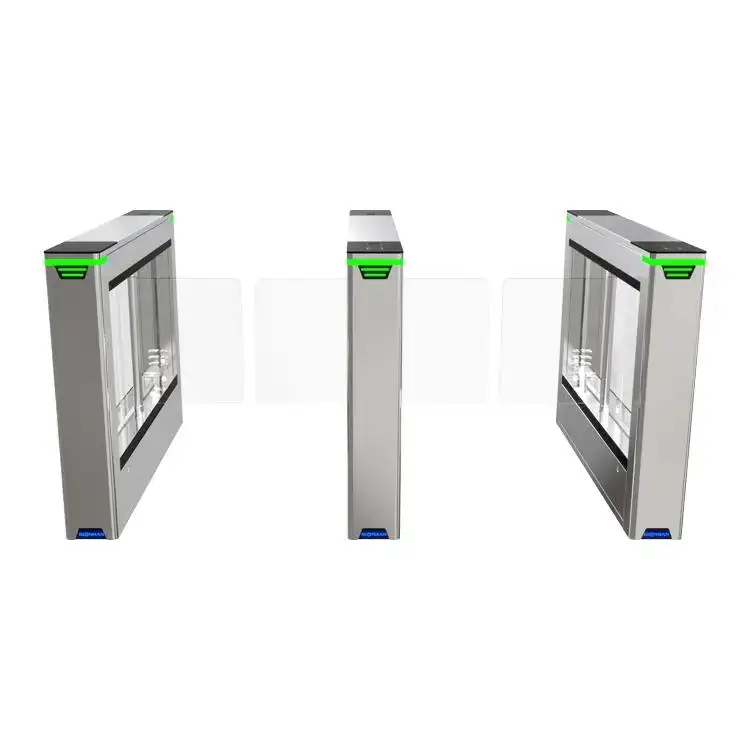
Bramy bramek obrotowych z przegrodą z klapami wykorzystują wysuwane łopatki, które otwierają się poziomo po uzyskaniu dostępu. Są szybkie — przetwarzają do 40 osoby na minutę — i oferują nowoczesność, Niskoprofilowy wygląd. Więc, Znajdziesz je w lobby biurowym, Węzły tranzytowe, oraz przestrzenie recepcyjne na całym świecie.
Oferują one silną równowagę między przepustowością, prędkością a bezpieczeństwem, Dlatego są jednym z najpopularniejszych wyborów w pomieszczeniach o dużym natężeniu ruchu.
3. Bramy bramek bramek prędkości
Bramy prędkości to premium warstwa zabezpieczeń klap. Mają szersze pasy, Wyższe szklane panele, oraz wyższe prędkości przepustowości — do 60 osoby na minutę w niektórych modelach. Ponadto, ich estetyka jest czysta i współczesna, co czyni je preferowanym wyborem dla flagowych budynków biurowych, Lotniska, oraz luksusowe siedziby korporacyjne.
4. Bramy bramowe obrotowe
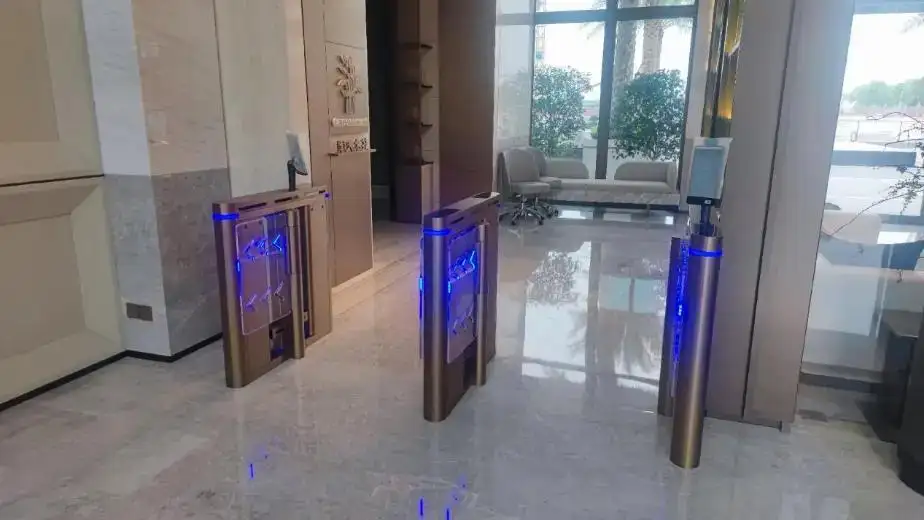
Bramy bram obrotowych działają na panelu zawiasowym, który otwiera się po weryfikacji danych uwierzytelniających. Są zgodne z ADA z założenia, Co czyni je obowiązkowym dodatkiem obok instalacji statywów lub pasów bramek prędkości.
W dodatku, Bramki obrotowe umożliwiają korzystanie z osób na wózkach inwalidzkich, personel niosący duży sprzęt, oraz rodzice z wózkami. Dla obiektów z węższymi wejściami, aKompaktowa bramka obrotowa z bramą obrotową oferuje ten sam dostęp zgodny z ADA w zarysu, który pasuje do węższych korytarzy i mniejszych lobby.
5. Bramy bram bram pełnej wysokości
Bramki bramki na pełnej wysokości sięgają od podłogi do sufitu. Nie ma żadnej przerwy nad nią, Brak szczeliny poniżej — co czyni je fizycznie niemożliwymi do przeskoczenia czy przeczołgania się pod nimi. W rezultacie, Są one podstawowym wyborem w miejscach wysokiego ryzyka.
Typowe miejsca rozmieszczenia to:
- Więzienia i zakłady karne
- Instalacje wojskowe i obwody rządowe
- Centra danych i serwerownie
- Zewnętrzne place przemysłowe i budowlane
Radzi sobie z trudnymi warunkami pogodowymi i intensywnym użytkowaniem, co czyni je szczególnie niezawodnymi w kontroli dostępu na obwodzie w trudnych warunkach.
6. Bramki obrotowe optyczne
Bramki obrotowe optyczne wykorzystują detekcję wiązki podczerwieni zamiast fizycznych barier. Gdy osoba przechodzi przez miasto bez ważnego poświadczenia, System natychmiast uruchamia alarm. Więc, Oferują eleganckie, Minimalistyczny wygląd — idealne do luksusowych biurowych lobby, gdzie fizyczne bariery wydawałyby się nie na miejscu.
Najlepiej sprawdzają się w środowiskach z personelem, gdzie pracownicy ochrony mogą szybko reagować na alarmy.
Jak działają bramki obrotowe
Proces każdej interakcji bramki jest prosty:
- Prezentacja kwalifikacji — użytkownik nałoży kartę RFID, skanuje odcisk palca, prezentuje kod kreskowy, albo patrzy na kamerę rozpoznawającą twarz
- Weryfikacji — zintegrowany czytnik przesyła dane do systemu kontroli dostępu w celu weryfikacji w czasie rzeczywistym
- Odpowiedź bramki — jeśli dostęp zostanie zatwierdzony, bariera się otwiera; jeśli zostanie odrzucone, Pozostaje zablokowany i opcjonalnie uruchamia alert lub alarm
- Wyrąb — system rejestruje zdarzenie zgłoszenia, Znacznik czasu, oraz automatycznie ID użytkownika
Nowoczesne bramki bramkowe łączą się również bezpośrednio z platformami zarządzania opartymi na chmurze. Oznacza to, że zarządcy obiektów mogą monitorować dostęp w czasie rzeczywistym, Dzienniki recenzji, oraz aktualizować uprawnienia z dowolnego urządzenia, gdziekolwiek. Dla obiektów wymagających zdalnego sterowania bez serwerów na miejscu, aSystem bramek obrotowych oparty na chmurze jest najbardziej praktycznym i skalowalnym rozwiązaniem.
Metody uwierzytelniania bramki obrotowej
Czytniki kart RFID
RFID pozostaje najczęściej stosowanym typem poświadczenia dla bramek bramek obrotowych. Pracownicy stukają identyfikator lub brelok do czytnika, a brama otwiera się w milisekundach. Te systemy są opłacalne, Łatwe w zarządzaniu, i kompatybilny z większością platform kontroli dostępu.
Bramy bramek biometrycznych
Systemy biometryczne weryfikują tożsamość, korzystając z czegoś unikalnego dla każdej osoby — odcisku palca, Wzór tęczówki, lub twarz. W przeciwieństwie do kart, Dane uwierzytelniające biometryczne nie mogą być współdzielone, zaginiony, lub skradziona. Dla środowisk o wysokim poziomie bezpieczeństwa, Biometryczne rozwiązania bramek bramek z czytnikami linii papilarnych całkowicie wyeliminować ryzyko dzielenia się uprawnieniami. Banki, Centra danych, a budynki rządowe najczęściej je stosują.
Czytniki kodów kreskowych i QR
Dostęp do kodów kreskowych jest szczególnie przydatny w miejscach eventowych oraz obiektach o dużej rotacji odwiedzających. Zamiast wydawać fizyczne karty, Obiekty wysyłają cyfrowe bilety, które odwiedzający skanują przy wejściu. Abramka bramkowa z kodem kreskowym jest praktycznym, Opłacalne rozwiązanie dla stadionów, Wystawy, Centra konferencyjne, oraz przestrzenie coworkingowe z częstym dostępem gości.
Gdzie stosuje się bramki obrotowe
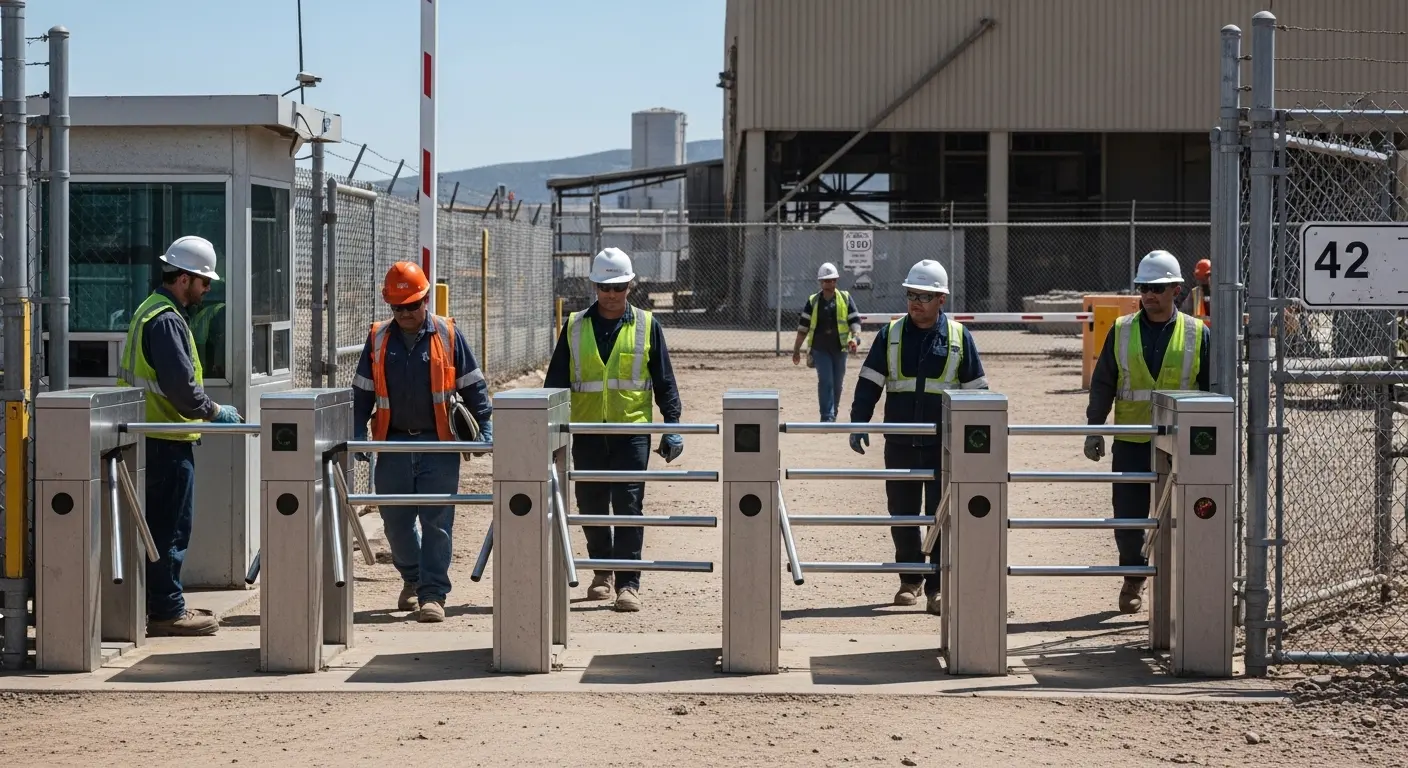
Bramy bramek obrotowych obsługują praktycznie każdą branżę. Oto jak różne sektory je wdrażają:
| Przemysł | Przypadek użycia | Najlepszy typ bramy |
|---|---|---|
| Biura korporacyjne | Wejście na hol i podłogę | Brama prędkości / Bariera płatna |
| Systemy transportu publicznego | Walidacja biletów | Trójnóg / Bariera płatna |
| Stadiony & Piaski | Kontrola tłumu & Biletów | Pełny wzrost / Optyczny |
| Obiekty przemysłowe | Dostęp do strefy ograniczonej | Pełny wzrost / Trójnóg |
| Szkoły & Uniwersytety | Bezpieczeństwo wejścia na kampus | Brama obrotowa / Trójnóg |
| Opieka zdrowotna | Kontrola obszarowa tylko dla personelu | Biometryczna bramka prędkości |
| Centra danych | Wysoki poziom ochrony | Pełny wzrost / Biometryczny |
Dla obiektów, które priorytetowo traktują projektowanie równie mocno jak funkcjonalność, aSzklana bramka przesuwna zapewnia estetykę architektoniczną oraz solidne działania w zakresie kontroli dostępu.
Jak wybrać właściwą bramkę bramki obrotowej
Poziom bezpieczeństwa vs. Prędkość przepustowości
Wysokie bezpieczeństwo i szybka przepustowość nie zawsze idą w parze. Brama bramki obrotowej na pełnej wysokości zapewnia maksymalną ochronę fizyczną, Ale znacznie spowalnia wejście. Z drugiej strony, Bramki prędkości i bariery klap szybko przetwarzają ludzi, ale bardziej polegają na systemie kontroli dostępu niż na fizycznym odstraszaniu.
Pierwszy, Oblicz szczytowy natężenie ruchu. Jeśli 500 Ludzie przyjeżdżają w tym samym 30-minutowym oknie, Pojedynczy pas statywu tworzy poważne wąskie gardło. W takim przypadku, Wielopasmowe lub typy bramek o wyższej przepustowości to mądrzejszy wybór.
Hala vs. Rozmieszczenie na zewnątrz
Większość barier klap i bramek prędkości jest zaprojektowana specjalnie do użytku wewnątrz budynków. Do instalacji zewnętrznych, Potrzebujesz bram z odpornymi na warunki atmosferyczne obudowy ze stali nierdzewnej, Elektronika zamknięta, oraz certyfikat IP65 lub wyższy. Bramki bramkowe na pełnej wysokości są zaprojektowane specjalnie do kontroli obwodu na zewnątrz i radzenia sobie z wilgocią, kurz, oraz ekstremalne temperatury niezawodnie.
Wymogi zgodności z ADA
Każdy publiczny punkt dostępu w USA musi mieć co najmniej jeden pas pasa zgodny z ADA. Bramy bramkowe obrotowe to standardowe rozwiązanie — otwierają się automatycznie po okazaniu dokumentów i umożliwiają korzystanie z wózków inwalidzkich, Wózki, oraz przedmioty o dużych rozmiarach bez kompromisu w bezpieczeństwie.
Integracja systemu
Bramka bramki musi zintegrować się z istniejącą platformą kontroli dostępu. Przed zakupem, Potwierdź zgodność z aktualnymi typami czytników, Formaty uprawnień, Oprogramowanie do zarządzania odwiedzającymi, oraz systemy alarmowe. Większość nowoczesnych bram obsługuje integrację z otwartymi API, co ułatwia łączenie się z platformami na poziomie korporacyjnym.
Pełny przegląd dostępnych modeli bramek bramkowych i konfiguracji bramek, Eksploruj całąGama produktów bramek obrotowych Aby znaleźć odpowiedniego dopasowania do wymagań placówki.
Najczęściej zadawane pytania dotyczące bramek bramek obrotowych
Q: Jaka jest różnica między bramką obrotową a bramą bramkową?
A: Tradycyjne bramki obrotowe wykorzystują obrotowe ramiona umożliwiające przejście. Bramka obrotowa, Konkretnie, odnosi się do bariery pasowej z zawiasami lub przesuwanymi — często dodawanej obok standardowych pasów bramek obrotowych, aby zapewnić dostęp zgodny z ADA lub szeroki ładunek. W codziennym użyciu, Oba terminy zazwyczaj odnoszą się do tej samej kategorii barier kontroli dostępu dla pieszych.
Q: Jak zapobiec jazdom na tailgate przy bramce obrotowej?
A: Przeciwdziałanie tailgatingowi najlepiej radzi sobie dzięki nowoczesnym bramkom obrotowym z wbudowanymi czujnikami wiązki podczerwieni. Czujniki te wykrywają, gdy dwie osoby próbują przekazać pojedyncze poświadczenie i wywołują natychmiastowe powiadomienie. Modele pełnowymiarowe fizycznie zapobiegają jazdom na zjazdach z tyłu, bo nie ma miejsca, by kogoś śledzić.
Q: Czy można zamontować bramki bramkowe na zewnątrz??
A: Tak. Bramki bramkowe na pełnej wysokości i wytrzymałe statywy są specjalnie zaprojektowane do warunków zewnętrznych. Szukaj modeli z ochroną IP65 lub wyższą, 304 lub konstrukcja ze stali nierdzewnej klasy 316, oraz w pełni uszczelnione płytki sterujące dla długoterminowej niezawodności na zewnątrz.
Q: Jak szybko bramka obrotowa może przetwarzać ludzi?
A: Prędkość przetwarzania zależy od typu bramki. Turnikety statywne obsługują około 20–25 osób na minutę. Bariery klap i bramki prędkościowe obsługują 40–60 osób na minutę. Bramki bramek o pełnej wysokości pracują wolniej, w tempie 10–15 na minutę, ze względu na cięższą mechanikę.
Q: Czy bramki bramek obrotowych wymagają profesjonalnego montażu??
A: W większości przypadków, tak. Profesjonalna instalacja gwarantuje, że brama jest prawidłowo zakotwiczona, podłączone do twojego systemu kontroli dostępu, i skalibrowany do konkretnego sprzętu czytnika. Zapewnia to również ważną gwarancję i spełnienie standardów bezpieczeństwa od pierwszego dnia.
