


Automatic Pedestrian Turnstile Gate for Commercial Buildings: AI Tailgating Detection
2026-08-27


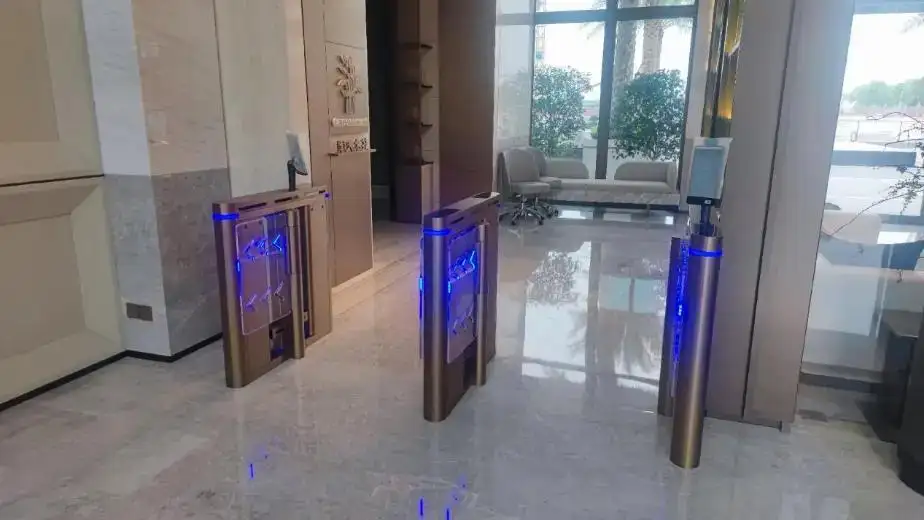
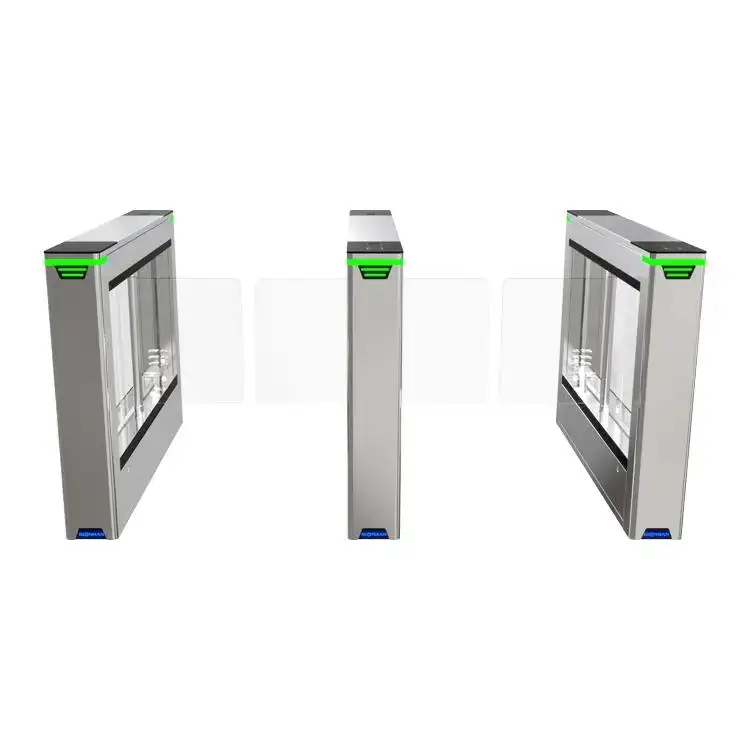
Uprawnienia dostępu potwierdzają, że karta, Kod QR lub tożsamość biometryczna jest ważna. Nie dowodzi, że zgłosiła się tylko jedna osoba. Automatyczna bramka bramkowa dla pieszych dla budynków komercyjnych zamyka tę lukę bezpieczeństwa, łącząc jedno zdarzenie autoryzacyjne z jednym mierzonym przejściem.
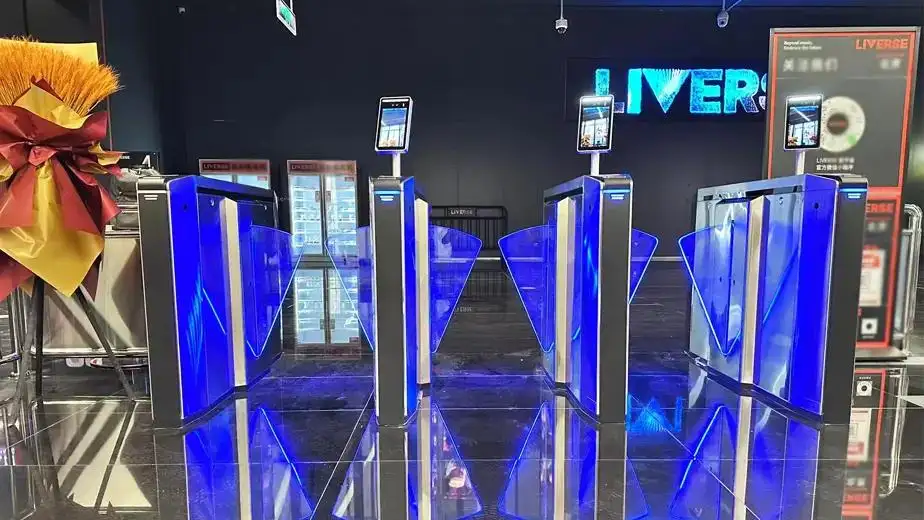
AI może poprawić rozpoznawanie tailgatingu, Ale nie jest w stanie zrekompensować złej geometrii pasów, wolne przetwarzanie danych uwierzytelniających lub nieprawidłowo ustawione czujniki. Brama, System detekcji i platforma kontroli dostępu muszą więc być zaprojektowane jako jeden system wejścia.
Jedno ważne świadectwo nie zawsze oznacza jedną osobę
Wejścia komercyjne narażone na różne ryzyka przejścia:
• Tailgating: Osoba nieupoważniona podąża tuż za upoważnionym użytkownikiem.
• Wejście obok siebie: Dwie osoby znajdują się w strefie detekcji na podstawie jednej autoryzacji.
• Wejście wsteczne: Osoba porusza się pod dozwolonym kierunkiem.
•Intruzja pasów ruchu: Ktoś wchodzi po tym, jak bariera zaczyna się otwierać dla innego użytkownika.
Te zdarzenia stają się trudniejsze do rozpoznania w szczytowym ruchu. Krótsze odstępy między pieszymi poprawiają płynność, ale dają kontrolerowi mniej czasu na rozdzielenie dwóch osób. Plecaki, walizki, Dzieci i wózki inwalidzkie mogą również przypominać dodatkowe ciało w źle dostrojonym systemie.
Automatyczna bramka bramek dla pieszych w budynkach komercyjnych powinna odpowiednio wyważyć czułość jazdy przed fałszywymi alarmami. Nadmierna czułość przerywa normalny ruch; Niewystarczająca czułość pozostawia użyteczną lukę w zabezpieczeniach.
Jak AI i logika sensorów kontrolują przejście jednej osoby
Pełny cykl operacyjny składa się z czterech połączonych etapów:
- Czytnik rejestruje RFID, QR, Mobilne lub biometryczne uprawnienia.
- Kontroler dostępu wydaje sygnał autoryzacyjny.
- Czujniki na podczerwień oraz, tam, gdzie jest to konieczne, Analityka AI śledzi ruch na pasie.
- Brama się zamyka, cofa lub generuje alarm w zależności od wykrytego zdarzenia.
AI może klasyfikować ludzkie kontury, Kierunek ruchu i nieprawidłowe zachowanie. Czujniki podczerwieni nadal zapewniają szybkość, Deterministyczne dane pozycyjne dla kontroli barier i ochrony anty-zaciskowej. Fuzja sensorów wykorzystuje oba źródła, aby zmniejszyć ograniczenia obu technologii.
| Metoda wykrywania | Najlepsze techniczne zastosowanie | Główne ograniczenie |
| Układ podczerwieni | Szybkie lokalne śledzenie i wykrywanie przeszkód | Bardzo bliskich użytkowników trudno oddzielić |
| Video AI | Analiza ludzkiego kształtu i zachowań | Oświetlenie, Wpływ na wdrożenie okluzji i prywatności |
| Podczerwień + DO | Walidacja krzyżowa w wejściach o wyższym ryzyku | Wymaga większej integracji i pracy przy zamawianiu |
IRONMAN Intelligent opublikował wyniki rozpoznawania twarzy o wydajności identyfikacji do 0,1 sekundy oraz 99.9% Dokładność dla konfiguracji bramki z pomocą AI. Jednak, Dokładność identyfikacji twarzy nie jest tym samym co dokładność wykrywania na zjazdzie przed pojazdem. Test akceptacyjny projektu musi mierzyć wykrywanie tailgating, fałszywie pozytywne wyniki i przegapione wydarzenia osobno. Informacje o bramkach pieszych AI
Prędkość przejścia Powinno Obliczamy jako pełny cykl
Dla automatycznej bramki bramki dla pieszych w budynkach komercyjnych, Praktyczna przepustowość zależy od:
Czas na uzyskanie kwalifikacji + Opóźnienia kontrolera + Przetwarzanie AI + Ruch Barierowy + Prześwity dla pieszych
Inteligentne konfiguracje komercyjne IRONMAN wykorzystują profile otwierania i zamykania o czasie 0,3–0,6 sekundy i są przystosowane do 50 Liczba osób na minutę. Przy 50 Liczba osób na minutę, średni odstęp przylotu wynosi tylko 1.2 Sekund. Wolny terminal rozpoznawania twarzy lub zdalny serwer może więc utworzyć kolejkę nawet wtedy, gdy brama mechaniczna porusza się szybko.
Opcje bezszczotkowego prądu stałego i silnika serwomechanizmowego Zajmij się różnymi priorytetami operacyjnymi. Bezszczotkowe napędy DC obsługują stabilność, Ruch o niskim poziomie utrzymania, natomiast sterowanie serwem zapewnia precyzyjniejsze profile prędkości i pozycji dla torów o wysokiej częstotliwości. Niektóre konfiguracje komercyjne są projektowane na okres eksploatacji co najmniej pięciu milionów cykli pracy. Specyfikacje inteligentnych bram komercyjnych IRONMAN
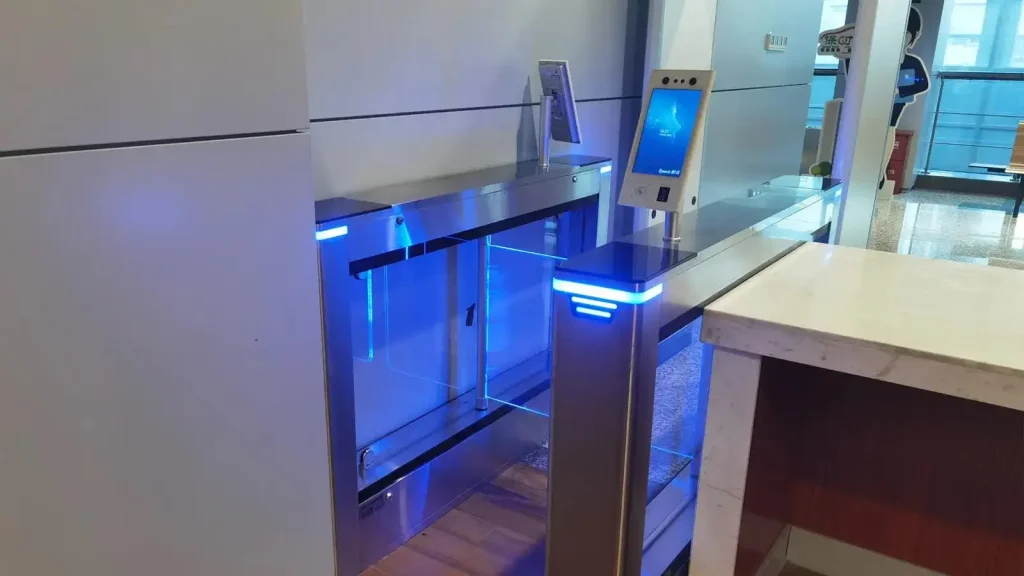
Pokrycie czujników i szerokość pasa ruchu Powinno Bądź dopasowany
IRONMAN Intelligent wykorzystuje różne układy czujników w zależności od struktury bramki. Konfiguracje anty-tailgating mogą wykorzystywać sześć par czujników podczerwieni na jednym pasie, podczas gdy szersze konfiguracje komercyjne wykorzystują osiem par do podziału przejścia na więcej stref detekcji.
Więcej par czujników nie jest automatycznie lepszych. Jakość detekcji zależy od ich pozycji, wysokość, Nakładanie się sygnałów i sekwencja sterowania.
Szerokość pasa zmienia także zachowanie wykrywania:
• Kontrolowany pas anty-tailgating może mieć szerokość przejścia do 600 Mm.
• Szersze konfiguracje komercyjne mogą sięgać 1,000 mm dla wózków inwalidzkich, Dostęp bagażowy lub serwisowy.
• Szersze pasy wymagają zmienionego strefowania czujników, ponieważ użytkownicy mają więcej miejsca na przesuwanie się poza środek.
W IRONMAN Intelligent, dopasowujemy więc automatyczną bramkę bramek dla pieszych dla budynków komercyjnych zarówno do przepływu szczytowego, jak i profilu użytkownika, zamiast stosować jeden próg czujnika na każdym pasie ruchu.
Dane konstrukcyjne powinny odpowiadać środowisku instalacji
IRONMAN Intelligent produkuje obudowy przeciw tailgatingowi w 304 Stal nierdzewna ze względu na odporność na korozję i częste używanie publiczne. Dostępne są także kompaktowe budynki komercyjne w 1.5 mm SGCC stal, pozwalając na smukłość 120 Profile obudów mm przy zachowaniu sztywności konstrukcyjnej.
Ochrona materiałowa i obudowy musi być rozpatrywana razem. Konfiguracje komercyjne obejmują:
•Temperatury robocze od −20°C do 60°C;
• Ochrona IP54 dla instalacji wewnątrz;
• Opcjonalna konstrukcja IP65 dla osłoniętych, półzewnętrznych miejsc;
• AC 100–240 V, 50/60 Wejście Hz z 24 System sterowania V DC.
IP65 nie eliminuje potrzeby posiadania przykrycia nad głową, Drenaż i ochrona przed bezpośrednim przedostawem wody. Materiały zewnętrzne, powłoka, Uszczelnianie wewnętrzne i ekspozycja na miejsce muszą być oceniane jako system.
Integracja Powinno Wydarzenia transferowe, Nie tylko otwarte polecenia
Automatyczna bramka dla pieszych dla budynków komercyjnych powinna wymieniać więcej niż tylko sygnał otwierający suchy kontakt. System musi zdefiniować, jak raportuje:
• Zakończenie przejścia;
•Tailgating i wejścia wstecznego;
•Niedrożność lub aktywacja przeciwszczypająca;
• Włamanie;
•Zwolnienie awaryjne;
•Awarie kontrolera lub czujnika.
IRONMAN Intelligent obsługuje RS485, TCP/IP, Wiegand i integracja suchego kontaktu w konfiguracjach komercyjnych, wraz z RFID, QR, Rozpoznawanie twarzy i dostęp mobilny. Ostateczny protokół powinien zostać zatwierdzony dla wybranej bramki i platformy zewnętrznej.
Instalacja i konserwacja Zachowanie dokładności wykrywania
Dla optymalnego zachowania czujnika poziomu, Szafki muszą być równomiernie rozmieszczone na płaskich podłogach. Linie wysokiego napięcia i kable komunikacyjne nie mogą znajdować się blisko siebie. Też, Każdy pas w systemie wielopasmowym wymaga równomiernie rozmieszczonych szaf, aby uniknąć wykrywania ruchu między pasami.
Testy akceptacyjne muszą odzwierciedlać rzeczywiste zachowania w świecie rzeczywistym, na przykład przypadki bliskiego podążania, Przejście obok siebie, Torby przenoszone po torach, Wózki inwalidzkie na torach, zatrzymywanie się i cofanie się na pasach. Konserwacja od trzech do sześciu miesięcy obejmuje czyszczenie czujników, Sprawdzanie pozycji bariery, sprawdzanie zasilania i połączenia komunikacyjnego.
Potwierdzenie bezpieczeństwa i dowodów produkcyjnych
Kupujący powinien rozważyć zastosowanie EN 17352 do napędzanego sprzętu sterowania wejściem pieszych, ISO 12100 Ocena ryzyka, ISO 13849-1 Funkcje sterowania związane z bezpieczeństwem, Lokalne przepisy przeciwpożarowe i dostępność. W dodatku, Instalacje sprzętu wideo AI wymagają udokumentowanej polityki przechowywania danych i prywatności.
Certyfikowany przez ISO 9001 IRONMAN Intelligent oferuje automatyzację bram z wielofazowym systemem inspekcji od surowca po końcowe testy. IRONMAN Intelligent oferuje kilka procesów produkcyjnych, takich jak toczenie, spawanie, Tłoczenie i powłoki. Dane kontroli jakości i produkcji powinny być rejestrowane poprzez inspekcję specyficzną dla konfiguracji, testy wytrzymałości i dokumentacja zgodności podczas procesu zamówień.
Testy bezpieczeństwa automatycznej bramki bramki dla pieszych w budynkach komercyjnych powinny koncentrować się na wynikach testów, a nie na szerokich twierdzeniach dotyczących AI. IRONMAN Intelligent prosi Cię o dostarczenie układu budynku, Szczytowy przepływ, Metodologia kontroli dostępu oraz szerokość pasów. Mamy dostępne konfiguracje do testowania, które są gotowe do instalacji na Twoim projekcie.
Najczęściej zadawane pytania
P1. Jakie typy komercyjnych bramek bramek oferuje IRONMAN Intelligent?
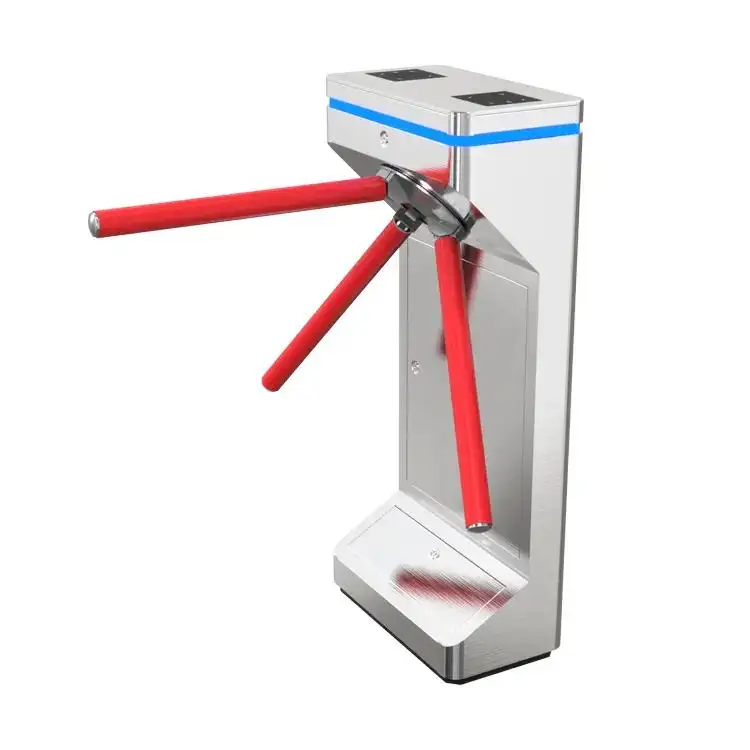
IRONMAN Intelligent produkuje bramki prędkości, Bariery huśtawkowe, Bariery klapkowe, Turnikety trójnogowe, Brama przesuwna, bramki pełnowymiarowe i inne systemy wejścia dla pieszych. Odpowiednia struktura jest wybierana zgodnie ze poziomem bezpieczeństwa, Przepływ ruchu, Dostępne miejsca i wymagania dotyczące dostępności.
P2. Jak IRONMAN Intelligent wykrywa tailgating?
Konfiguracje IRONMAN Inteligentne wykorzystują matryce sensorów na podczerwień i logikę sterowania do śledzenia autoryzowanego przejścia, ruch wsteczny i nieprawidłowe wejście. AI lub analiza wideo może być zintegrowana, gdy projekt wymaga dodatkowej analizy ludzkiego kształtu lub zachowania.
P3. Jaka jest przepustowość inteligentnej komercyjnej bramki IRONMAN?
Wybrane konfiguracje komercyjne są przeznaczone do 50 Liczba osób na minutę, z czasami otwierania i zamykania barier wynoszącymi około 0,3–0,6 sekundy. Rzeczywista przepustowość zależy od szybkości odczytu danych uwierzytelniających, Opóźnienia AI, Odstępy użytkowników i ustawienia strony.
P4. Czy IRONMAN Intelligent może dostosować szerokość przejścia?
Tak. Kontrolowane pasy przeciw tailgatingowi mogą być skonfigurowane z szerokością przejścia do 600 Mm, natomiast szersze konfiguracje komercyjne mogą sięgać 1,000 Mm. Dla wózków inwalidzkich mogą być używane szersze pasy, Bagaż i dostęp służbowy, ale wymagają regulacji strefowania czujników.
P5. Które metody uwierzytelniania mogą być zintegrowane?
Automatyczna brama bramek dla pieszych dla budynków komercyjnych firmy IRONMAN Intelligent może obsługiwać karty RFID, Kody QR, Rozpoznawanie twarzy, czytniki linii papilarnych i mobilne dane logingowe. Opcje integracji obejmują RS485, TCP/IP, Interfejsy Wieganda i suchego kontaktu, W zależności od konfiguracji.
