


Ciężka bramka statywna: Specyfikacje przemysłowe, Przypadki użycia, oraz Jak wybrać właściwe
2026-03-13


Solidna bramka statywna to nie tylko mocniejsza wersja bramy do lobby biura. To inna kategoria produktów zaprojektowanych z myślą o środowiskach, które zniszczyłyby standardową jednostkę w ciągu kilku miesięcy — zewnętrzne zakłady przemysłowe, Stacje tranzytowe, Stadiony, Projekty budowlane, oraz każdy obiekt, przez który codziennie przechodzą tysiące osób w wymagających warunkach fizycznych.
Jeśli wybierasz solidny statywny bramkę obrotową do poważnego wdrożenia, Ten przewodnik zawiera dokładne specyfikacje, na które warto zwracać uwagę, klasyfikacje środowiskowe odpowiadające, oraz jasne ramy do wyboru odpowiedniego produktu za pierwszym razem.
Co sprawia, że bramka statywna jest "Ciężkie"?
Termin ten jest używany luźno przez dostawców. Jednak, Naprawdę wytrzymała bramka statywna ma wymierne różnice w sześciu konkretnych parametrach technicznych — nie tylko grubsza obudowa czy wyższa cena.
1. Cykl życia mechanizmu (MCBF)
Standardowe komercyjne bramki statywne mają MCBF (Średnie cykle między awariami) Ocena 500,000 do 1 milion cykli. Obrotowa bramka z dużym trójnogiem zaczyna się od 3 milion cykli i rozciąga się do 5 miliony lub więcej dla modeli przemysłowych premium. Przy fabrycznym przetwarzaniu przy bramie 300 Pracownicy dziennie, 1 Trwa mniej więcej milion cykli 9 lata. Przy 500 wpisy na dzień, mechanizm cyklu trwający 5 milionów cykli trwa 27+ lata.
2. Ocena IP
Standardowe wewnętrzne bramki statywne mają IP4X — ochronę przed stałymi obiektami większymi niż 1 mm, ale bez ochrony przed wodą. Wytrzymałe bramki statywne przeznaczone do użytku zewnętrznego lub przemysłowego wymagają minimum IP54 (Kurz i woda kierunkowa), oraz IP65 dla całkowicie odsłoniętych środowisk zewnętrznych.
3. Materiał szafki i grubość ścianek
Stal nierdzewna SUS304 o grubości ścianki 1,2 mm to minimalne minimum komercyjne. Modele o wytrzymałości wykorzystują konstrukcję SUS304 z pełnym spawaniem — nie panele montowane — a środowiska przybrzeżne lub chemicznie agresywne uzasadniają SUS316 ze względu na wysoką odporność na korozję.
4. Odporność na uderzenia ramienia
Zaawansowane jednostki premium, takie jak Automatic Systems TL 2 Publikuj oceny odporności na uderzenia — konkretnie 240 Dżule nałożone na środek ramienia bez uszkodzeń. To ma znaczenie dla miejsc, gdzie dochodzi do wandalizmu, Presja tłumu, lub przypadkowe uderzenie jest realistycznym ryzykiem operacyjnym.
5. Zakres temperatur pracy
Standardowe jednostki pracują od 0°C do 50°C. Wytrzymały statyw obrotowy do użytku przemysłowego lub na zewnątrz działa w zakresie od -35°C do 60°C — chroniąc surowy klimat zimowy, Hale produkcyjne o wysokim poziomie ciepła, oraz tropikalne środowiska zewnętrzne.
6. Mechanizm napędowy
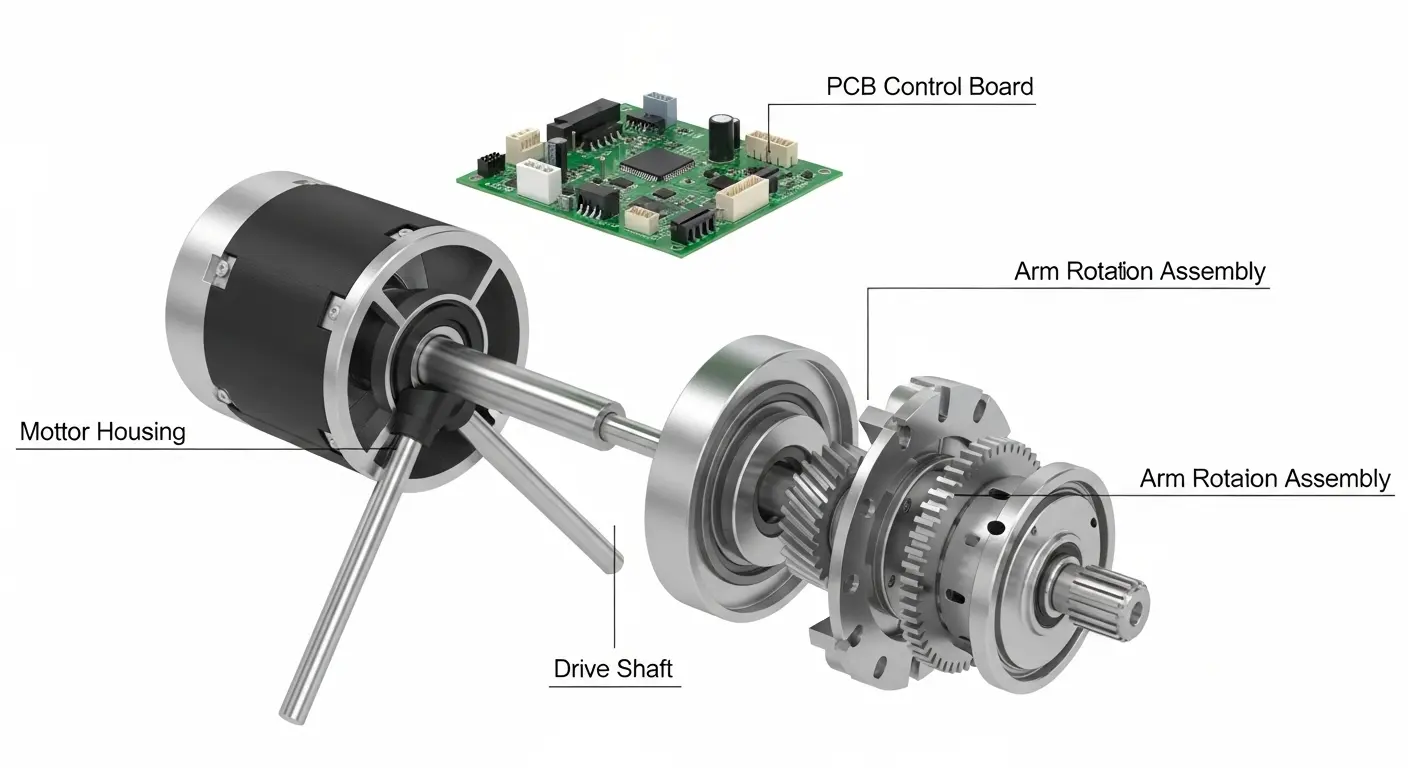
Modele o dużej wytrzymałości wykorzystują bezszczotkowe silniki DC zamiast elektromagnesów lub podstawowych silników DC. Silniki bezszczotkowe nie mają szczotek węglowych, które mogłyby się zużywać, wytwarza mniej ciepła, Nie wymaga zaplanowanej wymiany szczotek, oraz zapewniają znacznie dłuższą żywotność cyklu na każdy interwał serwisowy.
Specyfikacje turnikety statywnych o ciężkich warunkach: Czego wymagać od dowolnego dostawcy
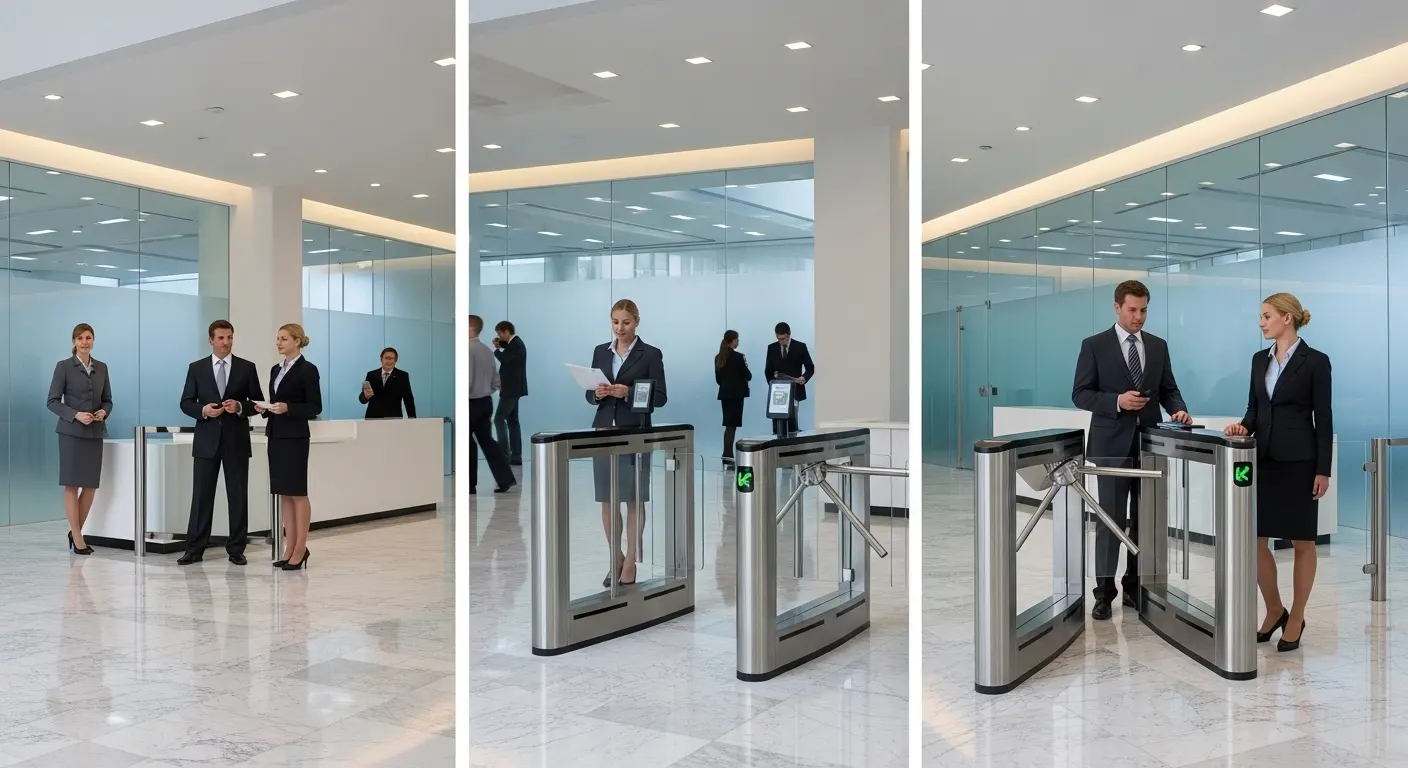
Podczas oceny obrotowych bramek statywnych o wytrzymałości, Zproś formalną kartę specyfikacji i zweryfikować konkretne dane:
| Specyfikacja | Podstawowy statyw | Trójnóg o ciężkim zastosowaniu |
|---|---|---|
| MCBF | 500Cykle K–1M | 3Cykle M–5M |
| Ocena IP | IP4X (tylko w pomieszczeniach) | IP54–IP65 |
| Materiał do obudowy | SUS201 / Stal miękka | SUS304 pełny spawacz (SUS316 dla ostrych) |
| Grubość ścianek | 0.8–1,0mm | 1.2–1,5 mm |
| Mechanizm napędowy | Solenoid / Podstawowy silnik stały | Bezszczotkowy silnik prądu stałego |
| Temperatura pracy | 0°C do 50°C | -35°C do +60°C |
| Opór obciążenia ramienia | Nieokreślone | 100kg statyczny / 240 Uderzenie dżulików |
| Przepustowość (Samochód) | 20–25 ppm | 30–45 ppm |
| Cykl pracy | Przerywane | 100% ciągły |
Jedną ze specyfikacji, na którą warto zwrócić szczególną uwagę, jestCykl pracy. A 100% Cykl pracy oznacza, że bramka działa nieprzerwanie bez konieczności odchylania się między użyciami — co jest kluczowe podczas szczytu zmiany zmiany lub godzin szczytu na stacji tranzytowej, gdzie setki przejazdów następują w szybkim tempie.
Gdzie rozstawiane są ciężkie statywne bramki
Wytrzymała bramka statywna pasuje do każdego środowiska, w którym standardowe jednostki komercyjne są objęte przyspieszonym zużyciem. Oto główne scenariusze wdrożenia:
Fabryki przemysłowe i zakłady produkcyjne
Klasyczny przypadek użycia. Tysiące codziennych przepustek pracowniczych, Ekspozycja na kurz i wilgoć, Częsty kontakt fizyczny z ramionami, oraz potrzebę integracji czasu i obecności. Minimum IP54, Konstrukcja SUS304, Silnik bezszczotkowy, oraz wyjście RS485 lub TCP/IP do integracji systemów płacowych.
Place budowy
Tymczasowe, ale wymagające. Ekspozycja na warunki zewnętrzne, pracownicy ciężkiej ochrony osobistej, Stały kontakt ramienia z dużych torb na narzędzia i sprzętu. IP65 często jest odpowiednim, oraz zdalne zarządzanie uprawnieniami za pomocąSystem bramek obrotowych oparty na chmurze jest idealne na place budowy, gdzie infrastruktura IT jest minimalna, a uprawnienia dostępu często się zmieniają w zależności od rotacji wykonawców.
Stadiony i miejsca wydarzeń
Duży ruch — tysiące osób przybywają w 30-minutowym oknie przed-wydarzeniowym. Maksymalna przepustowość i odporność na wandalizm to główne wymagania. Modele bezszczotkowe automatyczne o wydajności 35–45 ppm na pas, z nieodłączalnymi ramionami i wzmocnionymi mocowaniami w szafie, Pasuje do tego środowiska.
Stacje tranzytowe i systemy metra
Ciągła codzienna eksploatacja przez długie godziny pracy. Cykl pracy 100%, MCBF 5 milion , oraz konstrukcje odporne na wandalizm są podstawowymi wymaganiami dla każdego transportowego turypunktu o ciężkim stanie obrotowym.
Lotniska
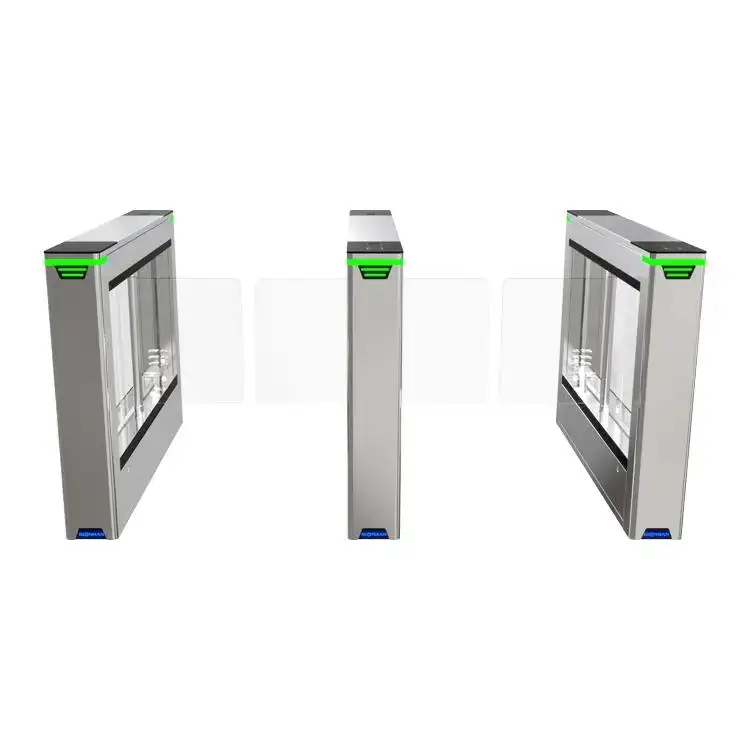
Wdrożenia na lotniskach łączą wymagania dotyczące wysokiej przepustowości z rygorystyczną zgodnością z przepisami. Dla stref bezpieczeństwa lotnisk i dostępu do terminali pasażerskich, anSystem bramek prędkości na lotniskach Reprezentuje wyższy poziom niż ciężkie modele statywne — oferując wyższą przepustowość i estetykę szklanych paneli. Jednak, Ciężkie bramki statywne pozostają dobrym wyborem dla wejść personelu, Obsługa korytarza, oraz punkty dostępu po stronie powietrza, gdzie trwałość przemysłowa przeważa nad estetyką.
Automatyczny turystyk z ciężkimi statywami: Właściwy wybór mechanizmu
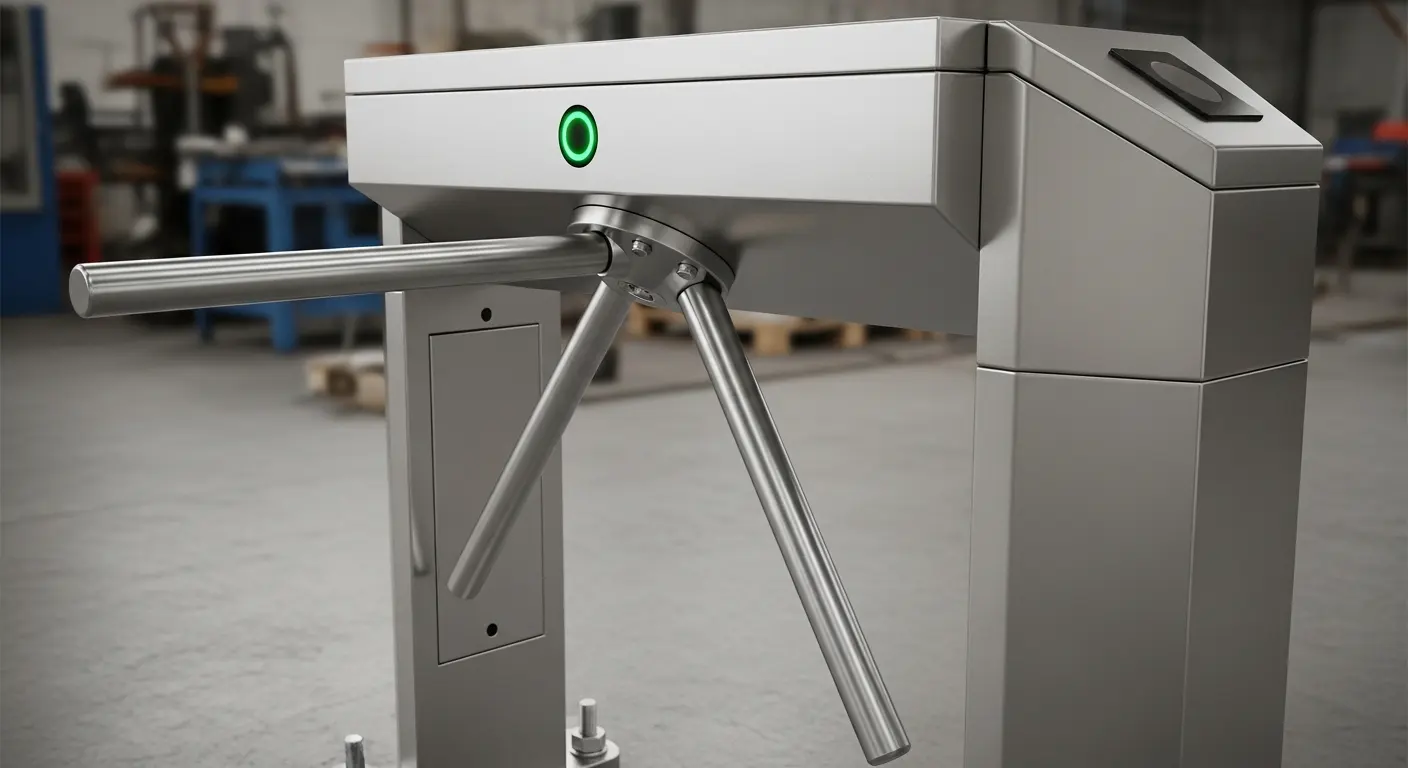
Na każde ciężkie zadanie, wybór między mechanizmem półautomatycznym a w pełni automatycznym jest prosty: Wybierz automatyczną. Powody są praktyczne:
- Przepustowość: Modele bezszczotkowe automatyczne zapewniają prędkość 30–45 osób na minutę. Modele półautomatyczne osiągają szczyt 20–25 ppm. Luka ta ma ogromne znaczenie podczas zmian zmian i okresów szczytowych wejść.
- Doświadczenie użytkownika: Automatyczna rotacja eliminuje fizyczny nacisk, który z czasem zużywa stawy mechanizmu. Mniejsza siła fizyczna na cykl oznacza dłuższy okres eksploatacji.
- Zmniejszone ryzyko wandalizmu: Ramiona, które same się płynnie obracają, przyciągają mniej fizycznej frustracji u użytkowników — zmniejszając obciążenia uderzeniowe gromadzące się na elementach mechanizmu.
AnBramka automatyczna bezszczotkowy silnik DC zapewnia połączenie prędkości przepustowości, Niskie koszty utrzymania, oraz długą żywotność cyklu, której wymagają środowiska o ciężkich warunkach. Dla obiektów z dwoma do czterema pasami przy jednym wejściu, Różnica kosztów na pasie między półautomatycznym a w pełni automatycznym to zazwyczaj $200–$500 — niewielka premia w stosunku do korzyści z eksploatacji i utrzymania w ciągu 5–10 lat.
Przeciwdziałanie tailgatingowi podczas ciężkich misji
Technologia anty-tailgating jest szczególnie ważna w ciężkich zastosowaniach przemysłowych, gdzie próby tailgatingu są częstsze i trudniej je monitorować ręcznie. Standardowe, wytrzymałe bramki statywne fizycznie blokują skoki jednoramienymi za pomocą stalowych ramion 500mm, ale zdeterminowani tailgaters mogą próbować wykonać ten sam obrót ramienia.
Zaawansowane matryce czujników anty-tailgatingowych wykorzystują wiele wiązek podczerwieni na szerokości pasa, aby wykryć drugie ciało podążające w tym samym cyklu ramienia — i natychmiast wywołać alarm lub odrzucić próbę przejścia. AnBrama bramek AB anty-tailgating wykorzystuje logikę dwóch czujników do rozróżnienia między prawdziwym przelotem jednego człowieka a próbą tailgatingu — osiągając niemal zerowy wskaźnik fałszywych pozytywnych wyników bez spowolnienia przepustowości poniżej 30 ppm.
Dla fabryk i obiektów przemysłowych, Integracja wykrywania antytailgatingowego w solidnym systemie bramek statywowych zmniejsza różnicę między fizyczną kontrolą dostępu a dokładnością cyfrowego śladu audytu — zapewniając, że każda osoba zarejestrowana przez system czasu i obecności faktycznie przechodzi indywidualnie.
Ciężka bramka statywna kontra. Bramka pełna wysokości
Najczęstsze pytanie przy wdrożeniach o ciężkim ciężarze brzmi, czy warto przejść z trójnogu na model pełnowymiarowy. Oto szczera odpowiedź:
Solidne statywne bramki obrotowe to właściwy wybór, gdy liczy się prędkość przepustowości, Budżet jest brany pod uwagę, Twoim głównym celem jest kontrolowany dostęp z weryfikacją poświadczeń. Fizyczne obejście — przejście nad ramionami na wysokości talii — jest teoretycznie możliwe, ale praktycznie rzadko w środowiskach przemysłowych z personelem lub nadzorem.
Bramka na pełnej wysokości to właściwy wybór, gdy fizyczne zapobieganie omijaniom jest twardym wymogiem — na obrzeżach więzienia, Punkty dostępu do centrum danych, Strefy magazynowania chemikaliów, lub w każdym miejscu, gdzie osoba nieuprawniona musi fizycznie nie móc wejść, niezależnie od nadzoru.
Dla większości zakładów przemysłowych, Model praktyczny toRozmieszczenie mieszane: Grube bramki statywne na głównych punktach wejścia pracowników oraz dostęp do stołówek, gdzie priorytetem jest przepustowość, iBramki bramek na pełnej wysokości w strefach ograniczonych, gdzie bezpieczeństwo fizyczne jest niepodlegające negocjacjom.
Dla miejsc, które wymagają także zarządzania dostępem pojazdów obok kontroli pieszych, abrama bariery parkingowej typu boom Integruje się z tą samą platformą kontroli dostępu co twoje mocne pasy bramek statywnych — zapewniając jednolity system uwierzytelniania i audytu zarówno dla pieszych, jak i pojazdów bez konieczności zarządzania dwoma oddzielnymi platformami kontroli dostępu.
Wybór odpowiedniej, wytrzymałej bramki statywowej: Ramy decyzyjne
Skorzystaj z tego trzyetapowego systemu przed określeniem jakiejkolwiek jednostki:
Krok 1 — Zdefiniuj swój poziom środowiskowy
- Zadaszony kryty lub półkryty: IP54, SUS304, Standardowy zakres temperatur
- Na zewnątrz pod zadaszeniem drzew: IP54–IP65, SUS304 lub SUS316, w zależności od klimatu
- Całkowicie zewnętrzne lub surowe przemysłowe: IP65, SUS316, -35°C do 60°C oceniane
Krok 2 — Oblicz zapotrzebowanie na maksymalną przepustowość
Podziel swoją maksymalną liczbę pracowników przez 30–35 (Automatyczny PPM o ciężkim przeznaczeniu). To twoja minimalna liczba pasów. Dodaj jeden pas, jeśli wynik jest w obrębie 20% Twojej szczytowej liczby pracowników — bufor pochłania opóźnienia odczytu danych uwierzytelniających, Zakłócenia w zakresie środków ochrony osobistej, oraz nierówny rozkład przybycia.
Krok 3 — Potwierdź wymagania integracyjne
- Czas pracy i obecność: Wyjście RS485 lub TCP/IP do systemu płacowego
- Platforma kontroli dostępu: Wiegand lub interfejs czytnika OSDP
- Zarządzanie zdalne: Serwer chmurowy lub lokalny? Potwierdź przed zamówieniem
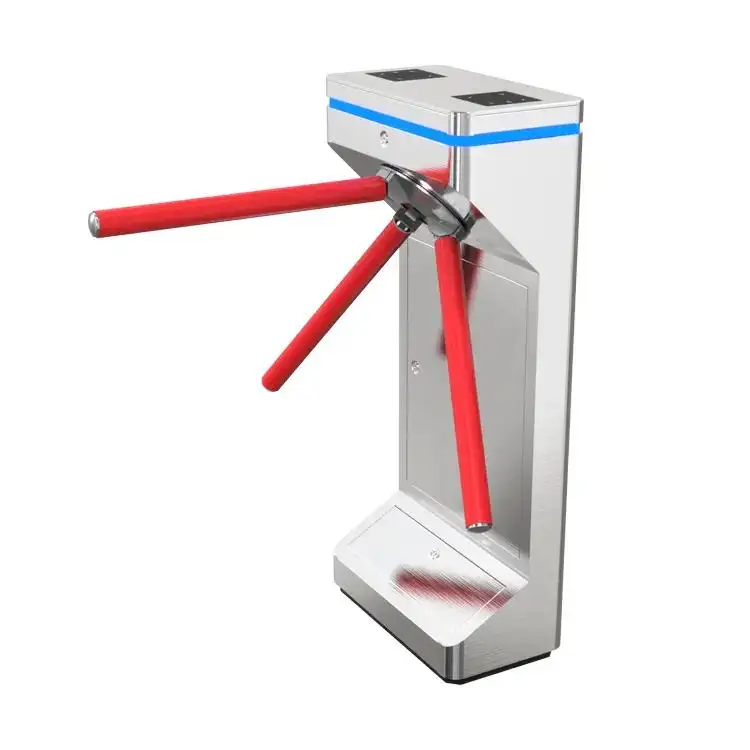
Dla specjalistycznych zastosowań przemysłowych — w tymPochylona ośmiokątna bramka trójnogowa wariant dla środowisk wymagających trwałości przemysłowej w bardziej architektonicznie dopracowanej szafie — poproś o potwierdzenie fabryczne, że wybrany wariant spełnia IP54 i posiada wymaganą przez Twoją stronę ocenę MCBF.
Najczęściej zadawane pytania dotyczące obrotowych bramek statywnych o dużej funkcjonalności
Q: Co sprawia, że bramka statywna jest "Ciężkie" W porównaniu do modelu standardowego?
A: Wytrzymała bramka trójnogowa różni się sześcioma mierzalnymi aspektami: wyższy MCBF (3–5 milionów cykli vs. 500K–1M), wyższa ocena IP (IP54–IP65 vs. IP4X), Konstrukcja SUS304 z pełnym spawaniem, Bezszczotkowy silnik napędu DC, 100% Ocena cyklu pracy, oraz szerszy zakres temperatur roboczych (-35°C do +60°C). To nie są terminy marketingowe — każdy z nich jest specyficzny, Specyfikacja testowalna.
Q: Jaką charakterystykę IP potrzebuję dla zewnętrznej ciężkiej bramki statywowej?
A: Do instalacji zewnętrznych pod daszeniem lub z częściową ochroną przed warunkami atmosferycznymi, IP54 to minimum — chroni przed kurzem i strumieniem wody z kierunkiem. Do całkowicie odsłoniętych środowisk zewnętrznych, Stanowiska nadmorskie, lub ciężkie atmosfery przemysłowe, Wymagany jest IP65 — zapewniający całkowity wykluczenie pyłu i ochronę przed bezpośrednim strumieniem wody z dowolnego kąta.
Q: Jak długo wytrzymuje tarcza obrotowa na ciężkim statywie?
A: Bezszczotkowy silnik o ciężkim statywie obrotowym o współczynniku MCBF na 5 milionów cykli, Operowanie w 500 Bilety na dzień, dostarcza ponad 27 Lata teoretycznego mechanizmu życia. Rzeczywisty okres eksploatacji zależy od przestrzegania harmonogramu konserwacji, Środowisko operacyjne, oraz szybkość odczytu poświadczeń. Modele przemysłowe, przy odpowiedniej konserwacji, rutynowo osiągają 15–20 lat aktywnej służby.
Q: Czy można zainstalować wytrzymały bramkę statywową bez zadaszenia na zewnątrz??
A: Turnikety statywne o standardzie IP65 są zaprojektowane do bezpośredniej ekspozycji na zewnątrz bez ochrony nad kabiną. Modele IP54 mogą działać częściowo na zewnątrz, ale znacznie zyskują na pokryciu kabiną, co wydłuża żywotność elektroniki i płyty sterującej. Zawsze potwierdzaj ocenę IP za pomocą raportu testowego od strony trzeciej — a nie tylko deklaracji specyfikacji.
Q: Jaka jest przepustowość obrotowa w ciężkim statywie?
A: Bezszczotkowa, automatyczna, ciężka bramka statywna przetwarza 30–45 osób na minutę, w zależności od modelu i rodzaju poświadczenia. Półautomatyczne ciężkie jednostki osiągają 20–25 ppm. Dla obliczeń zmian przesunięcia, używać 30 PPM jako konserwatywna wartość planistyczna dla modeli automatycznych.
