


Brama bram obrotowa w szkole: Jaki typ bramy pasuje do Twojej szkoły, Grupa wiekowa uczniów, oraz Wymagania dotyczące ochrony
2026-04-03


Dla większości wejść do szkół, Właściwa brama bramki szkolnej zależy od trzech rzeczy: Typ szkoły, Grupa wiekowa uczniów, oraz poranne liczenie osób przybywających. Bariery klapkowe obsługują główne wejścia do szkół średnich i międzynarodowych z wydajnością 40–60 ppm na pas. Mocne bramki statywne obsługują wejścia do szkół podstawowych z prędkością 25–35 ppm na pas przy niższym koszcie za bramę.
Poranny wzór liczenia pasów przyjazdowych: Łączna liczba przyjeżdżających uczniów ÷ 15-minutowym oknie szczytowym ÷ bramka ppm = potrzebne pasy. Dla danych biometrycznych na każdej bramce obsługującej uczniów 18, pisemna zgoda rodziców jest wymagana zgodnie z artykułem RODO 9 zanim system wejdzie do działania.
Ten przewodnik przedstawia dyrektorów szkół, Dyrektorzy obiektów, Wyznaczone osoby prowadzące do ochrony (DSL), oraz kontraktorów EPC – tabela porównawcza typów bramek, sekcja dopasowywania scenariuszy typu szkolnego, Poranne planowanie przylotu, Opcje kwalifikacji uczniów według grup wiekowych, Workflow zarządzania odwiedzającymi, Kontekst ochrony, oraz bezpośrednią ścieżkę do wyceny fabrycznie. Dla pełnej gamy Ironman szkoły i uniwersytetu, zacznij odStrona o rozwiązaniach bram bram dla szkół i uniwersytetów.
Typy bramek bramek szkolnych — porównane według kryteriów specyficznych dla szkoły
Cztery typy bram spełniają główne wymagania dotyczące przyjęć do szkoły. Każda z nich pasuje do innego typu szkoły i poziomu zabezpieczeń. Poniższa tabela porównuje je pod względem kryteriów istotnych dla specyfikacji szkoły.
| Typ bramy | Przepustowość | Ocena pogodowa | Ochrona | Poświadczeń | Najlepsze wejście do szkoły | Zasięg jednostki |
|---|---|---|---|---|---|---|
| Statyw o ciężkim wyposażeniu | 25–35 ppm | IP44–IP54 | Mechaniczny jeden na cykl | RFID, Kod kreskowy, twarz | Szkoła podstawowa, Ograniczony budżet | $200–$1,400 |
| Bariera płatowa | 40–60 ppm | IP44–IP54 | Czujnik + alarm | RFID, Kod kreskowy, twarz | Szkoła średnia, Szkoła międzynarodowa | $450–$3,000 |
| Szklana przesuwna brama prędkości | 50–80 ppm | IP42–IP44 | Czujnik + alarm | RFID, twarz, NFC | Administracja uniwersytetu/uczelni lub biblioteka | $1,300–8 000 dolarów |
| Bramka pełna wysokości | 15–25 ppm | IP54–IP65 | Klatka fizyczna | RFID, biometryczny | Tylko strefy ograniczone dla kampusów | $600–4 000 dolarów |
Statyw i bariera klapowa — standardowe wejścia do szkoły
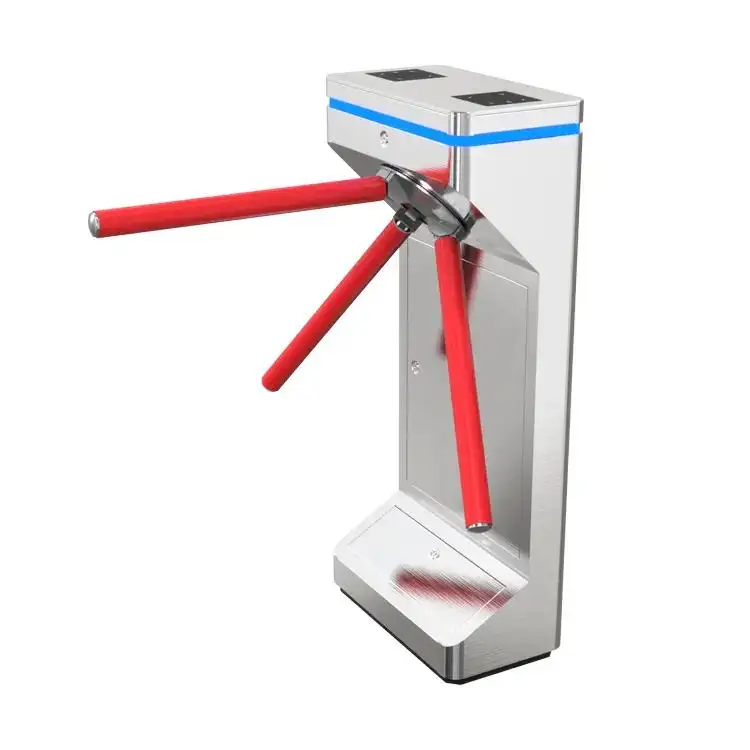
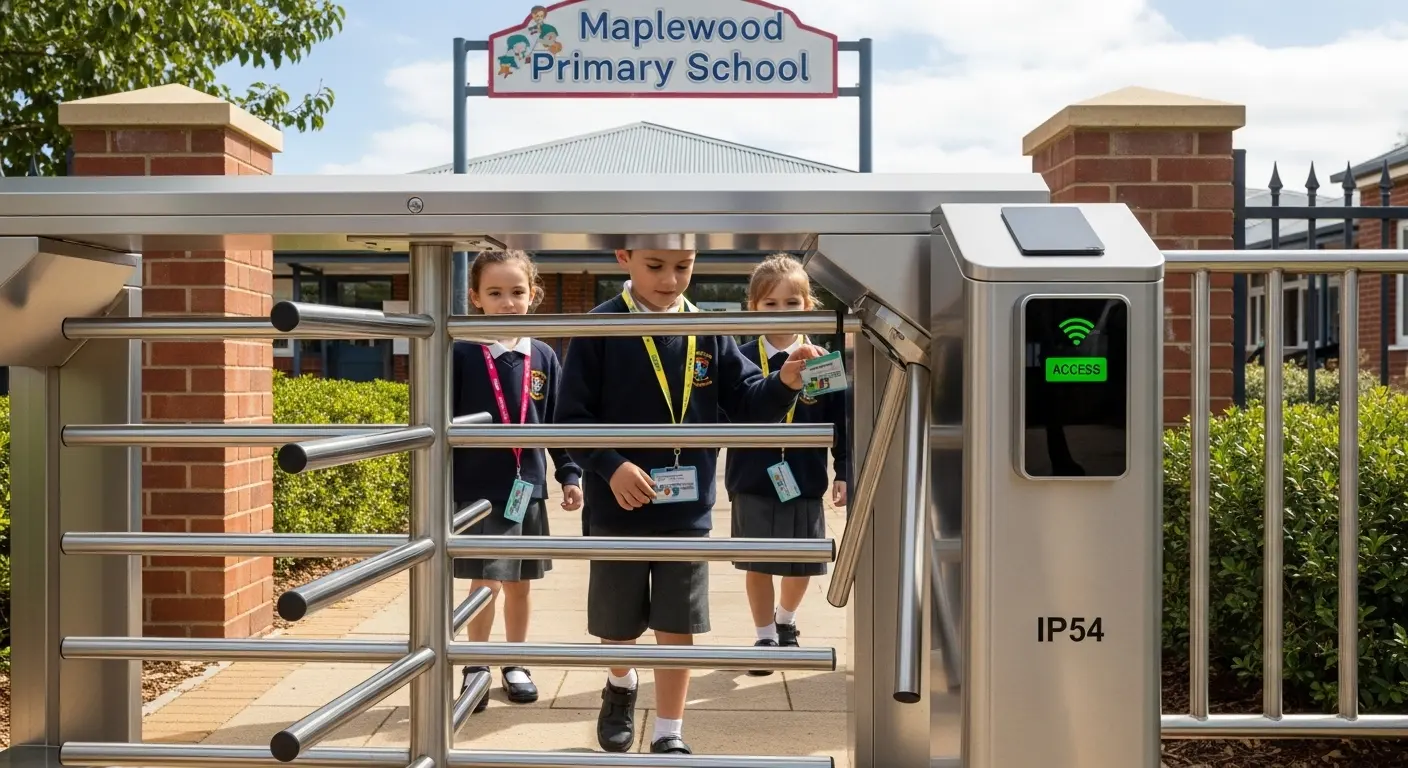
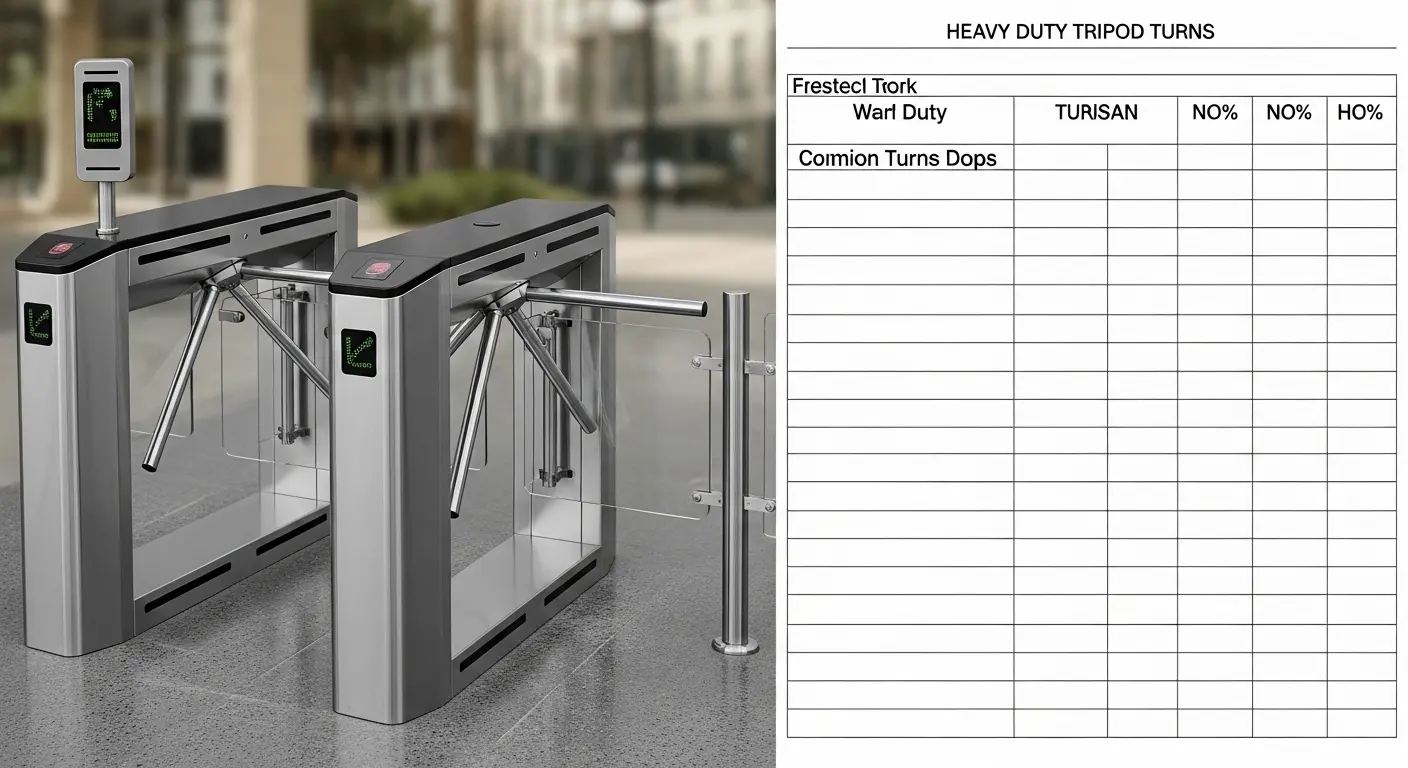
Najbardziej powszechnie stosowaną bramą wejściową do szkoły na świecie jest wytrzymała brama trójnogowa. Mechanicznie wymusza wpis jednej osoby na każde poświadczenie, stawki na poziomie IP44–IP54 dla zadaszonych zewnętrznych bramek szkolnych, a koszt 200–1400 dolarów za pas. To czyni ją standardową specyfikacją dla szkół podstawowych oraz projektów rekrutacyjnych o ograniczonym budżecie. Przepustowość trójnoga 25–35 ppm na pas obsługuje większość porannych przepustek do szkół podstawowych i mniejszych szkół średnich z 2–3 pasami.
Bariery klapkowe to odpowiednia modernizacja dla szkół średnich i szkół międzynarodowych z większą liczbą porannych przychodzeń. Przy 40–60 ppm, Bariera klapkowa zapewnia prawie dwukrotnie większą przepustowość niż statyw na tej samej szerokości pasa. Zmniejsza to poranną kolejkę na przyloty bez konieczności dodatkowych pasów.
Brama prędkości i pełna wysokość — Strefy Uniwersytetu i Ograniczonego Dostępu
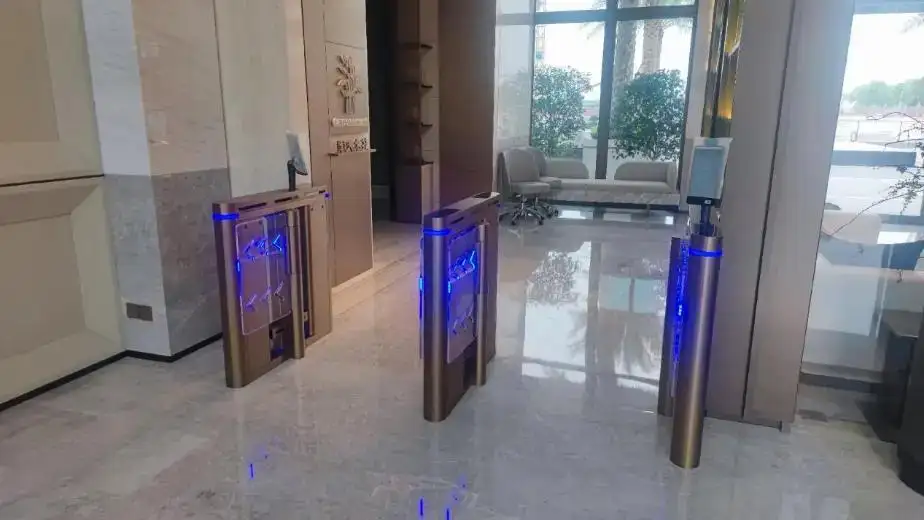
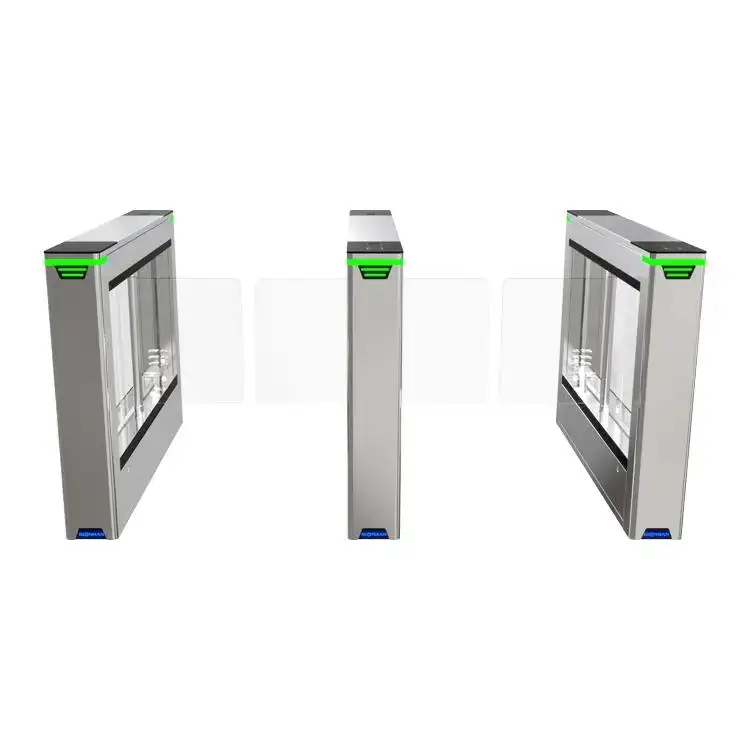
Przesuwane bramki szybkościowe pasują do wejść do budynków uniwersyteckich i uczelni — szczególnie do biblioteki, Blok administracyjny, oraz samorząd studencki, gdzie przepustowość 50–80 ppm obsługuje przeskok między wykładami. Dla konfiguracji uniwersyteckiej klasy Ironman, zobaczStrona produktu bramek przesuwnych z przesuwną bramą szklaną.
Pełnowymiarowe bramki są zarezerwowane dla stref zamkniętych kampusu — wejścia do internatu oraz punkty dostępu do sali egzaminacyjnej. Nie nadają się do standardowego głównego wejścia do szkoły. Ich przepustowość jest zbyt niska, a ich profil fizyczny tworzy nieodpowiednie środowisko dla młodych uczniów.
Dopasuj bramkę bramki szkolnej do typu szkoły
Typ bramki musi odpowiadać typowi szkoły i grupie wiekowej — nie tylko liczbie osób. Poniższa tabela przedstawia bezpośrednie rekomendacje dla typu szkoły.
| Typ szkoły | Zalecana bramka | Pasy | Poświadczeń | Wymagania kluczowe |
|---|---|---|---|---|
| Szkoła podstawowa | Statyw o dużej wytrzymałości | 2–4 | Opaska lub karta RFID | Ochrona, Proste uprawnienia, Niski koszt |
| Szkoła średnia | Bariera płatna | 2–6 | Karta RFID lub rozpoznawanie twarzy | Wysoka przepustowość, anty-tailgating |
| Szkoła międzynarodowa | Bariera klap lub bramka prędkości | 2–6 | RFID, twarz, Kod kreskowy | Zarządzanie odwiedzającymi, Wielojęzyczne |
| Uniwersytet / Uczelnia | Bramka prędkościowa lub bariera klap | 2–8 | Legitymacja studencka, NFC, twarz | Wielostrefowe, Integracja bibliotek |
| Internat | Bariera płatna (Główne) + Pełna wysokość (Akademik) | 2–4 | RFID lub biometria | 24/7 operacja, Lockdown po godzinach |
Szkoły podstawowe i średnie
Szkoły podstawowe potrzebują najprostszego certyfikatu, z którego małe dziecko może niezawodnie korzystać pod presją społecznej porannego pośpiechu. Karta RFID noszona na smyczy lub identyfikator RFID działają bez konieczności przerywania przez dziecko, Orientuj kartę, Albo czekać na rozpoznawanie twarzy. Na podstawie naszego doświadczenia z wdrożeniem w szkołach podstawowych, smycz na kartę RFID o zasięgu odczytu 30–35 mm jest najbardziej wiarygodnym certyfikatem szkoły podstawowej — uczeń przechodzi przez pas trójnogowy bez zastrzeżenia.
Szkoły średnie kierują się w stronę barier klap zamiast bramek trójnogowych. Różnica przepustowości ma znaczenie, gdy 800 Uczniowie przyjeżdżają do 20 protokół. Przy 30 ppm na pas statywu kontra 50 PPM dla pasa klap, Szkoła średnia potrzebuje mniej pasów barierowych dla klap, aby pokonać ten sam natłok przyjazdów. Rozpoznawanie twarzy przy wejściach do szkół średnich rośnie w międzynarodowych zastosowaniach — eliminuje zależność od kart i biometrycznie łączy zdarzenie wejścia z potwierdzoną tożsamością.
Szkoły i uniwersytety międzynarodowe
Szkoły międzynarodowe potrzebują systemu bram, który obsłuży większy dzienny ruch rodziców, Interfejsy wielojęzykowe, oraz przepustki dla odwiedzających kodami kreskowymi lub QR. Zabezpieczenie z klapkami z czytnikiem kodów/QR na pasie dla odwiedzających — oraz kartą RFID lub rozpoznawaniem twarzy na pasach uczniów — obejmuje wszystkie trzy z jednej pozycji przy bramie. Dla konfiguracji kodów kreskowych stosowanej w międzynarodowych wdrożeniach zarządzania odwiedzającymi szkoły, zobaczStrona bramki bramkowej z kodem kreskowym.
Kampusy uniwersyteckie i uniwersyteckie potrzebują strategii wielostrefowych bram. Bramka prędkości przy głównym wejściu studenckim obsługuje szczytowy wzrost wymiany wykładów. Bariery klap przy wejściach do budynków wykładowców i administracji obsługują niższy, ale ciągły ruch pracowników i odwiedzających. Na prawdziwe wdrożenie na kampusie uniwersyteckim, zobacz IronmanaStudium przypadku kampusu Smart.
Zabezpieczenie bramek bramek szkolnych — co musi zrobić brama
Brama bramki szkolnej wspiera ochronę, wykonując trzy funkcje automatycznie — bez konieczności korzystania ze świadomości personelu czy ręcznego monitorowania przy bramie.
Trzy funkcje ochronne, które musi pełnić każda brama szkolna
Wpis jednej osoby na każde uwierzytelnienie: Bramka mechanicznie lub sensorowo wymusza jedno autoryzowane poświadczenie na cykl bramki. Brak ważnego uwierzytelnienia oznacza brak wejścia. Osoba nieupoważniona nie może podążać za uczniem przez bramę bez uruchomienia alarmu.
Ślad audytu z oznacznikiem czasowym: Każde zdarzenie wpisowe rejestruje znacznik czasu i tożsamość uwierzytelniania. Tworzy to rekord wejściowy wymagany przez procesy weryfikacji zabezpieczającej. Wspiera także dochodzenia po incydencie w przypadku wszelkich problemów związanych z dostępem.
Separacja zarządzania odwiedzającymi: Goście — rodzice, Wykonawców, oraz personel dostawczy — nie korzystaj z kanału uprawnień studenckich. Korzystają z osobnego kanału przepustki dla odwiedzających, który wymaga wcześniejszego odprawienia z recepcją, Prezentacja ID, oraz terminowo ograniczone uprawnienia wydawane dopiero po rejestracji.
Kontekst ochrony zgodności
W ramach brytyjskiego programu Keeping Children Safe in Education (KCSIE) Ramy, Szkoły muszą zarządzać dostępem do obiektów i chronić uczniów przed nieautoryzowanym kontaktem. Bramka bramkowa szkolna z trzema powyższymi funkcjami stanowi fizyczną warstwę kontroli dostępu wspierającą ten wymóg przy wejściu.
Dla wdrożenia dostępu do biblioteki i stref kampusowych, które rozszerzają ten model ochrony na cały kampus, zobacz IronmanaStudium przypadku bramki obrotowej w bibliotece.
Planowanie przepustowości przy porannym przyjeździe dla bramek bramek szkolnych
Najczęstszym błędem w specyfikacji bramek bramek szkolnych jest niedostateczna liczba pasów. Kolejka na poziomie ulicy przy wejściu do szkoły sama w sobie jest ochroną — uczniowie czekają bez nadzoru na publicznym chodniku w zasięgu wzroku bramy szkolnej.
Poranna formuła liczenia pasów przyjazdów:
Lane = Łączna liczba przyjeżdżających uczniów ÷ okno przyjazdu (protokół) ÷ Gate ppm
Przykład 1 — Szkoła podstawowa, 400 Studentów, Statyw 30 ppm, 20-okno minutowe:
400 ÷ 20 = 20 wpisy/minuta. 20 ÷ 30 = 0.67 pasy →2 Panie trójnogowe (w tym jeden zapasowy na szczyt).
Przykład 2 — Szkoła średnia, 800 Studentów, bariera płatowa w miejscu 50 ppm, 15-okno minutowe:
800 ÷ 15 = 53 wpisy/minuta. 53 ÷ 50 = 1.07 pasy →2 Panie barierowe z klapami więcej 1 Pas dla odwiedzających.
| Wielkość szkoły | Przybywający studenci | Okno | Typ bramy | Wymagane pasy |
|---|---|---|---|---|
| Małe podstawy | 200 | 20 min | Trójnóg | 1 + Gościem |
| Średnia szkoła podstawowa | 400 | 20 min | Trójnóg | 2 |
| Duża defensywa secondary | 800 | 15 min | Bariera płatna | 2 + Gościem |
| Szkoła międzynarodowa | 1,000 | 20 min | Bariera płatna | 2–3 + Gościem |
| Budynek uniwersytecki | 1,500 | 10 min | Brama prędkości | 3–4 |
Na podstawie naszej analizy wdrożenia na kampusie, 85% Studentów przybywa w ciągu pierwszych 15–18 minut od okna przyjazdu. Używać 15 Minuty jako dane planistyczne dla szkół średnich i uniwersytetów, gdzie wzorce spóźnionych przybyszów są mniej spójne.
Opcje uzyskania kwalifikacji studenckich według grup wiekowych
Typ kwalifikacji musi odpowiadać wieku i poziomowi umiejętności motorycznych ucznia — a nie tylko preferencjom technologicznym szkoły. Biometryczny system rozpoznawania twarzy, który działa idealnie dla 16-latka, powoduje poważne problemy operacyjne dla 6-latka podczas intensywnego porannego przyjścia.
| Grupa wiekowa | Zalecane kwalifikacje | Powód | Uwaga do RODO |
|---|---|---|---|
| Szkoła podstawowa (5–11) | Smycz na karty RFID lub opaska RFID | Niezawodny, brak problemów z zręcznością, brak przechowywania danych biometrycznych | Nie potrzebna zgoda |
| Szkoła średnia (11–18) | Karta RFID lub rozpoznawanie twarzy | Karta jest standardowa; Rozpoznawanie twarzy dodaje powiązanie tożsamości biometrycznej | Biometria = Sztuka RODO. 9 — wymagana jest pisemna zgoda rodziców |
| Uniwersytet / Uczelnia | Legitymacja studencka (NFC/RFID), mobilny NFC, QR | Studenci sami zarządzają swoimi kwalifikacjami | Zgoda studentów (18+) jest wystarczająca |
⚠ Uwaga do RODO: Dane biometryczne — odciski palców i szablony rozpoznawania twarzy — są danymi kategorii specjalnej zgodnie z artykułem RODO 9 (MY) oraz brytyjskie RODO (ICO). Dla uczniów pod kierunkiem 18 w Wielkiej Brytanii, Przed uruchomieniem jakiegokolwiek systemu poświadczeń biometrycznych wymagana jest pisemna zgoda rodziców. Szkoły, które wdrożyły systemy biometryczne bez uzyskania zgody, zostały zobowiązane przez brytyjski ICO do usunięcia lub zawieszenia systemu. Przed określeniem kwalifikacji biometrycznych dla każdej bramki szkolnej obsługującej uczniów należy potwierdzić pełną dokumentację zgody 18.
Dla automatycznej bramki statywowej z konfiguracją poświadczeń RFID stosowaną w standardowych wdrożeniach szkół podstawowych i średnich, zobaczStrona produktu automatycznych bramek statywowych.
Zarządzanie odwiedzającymi szkołą przez bramkę obrotową
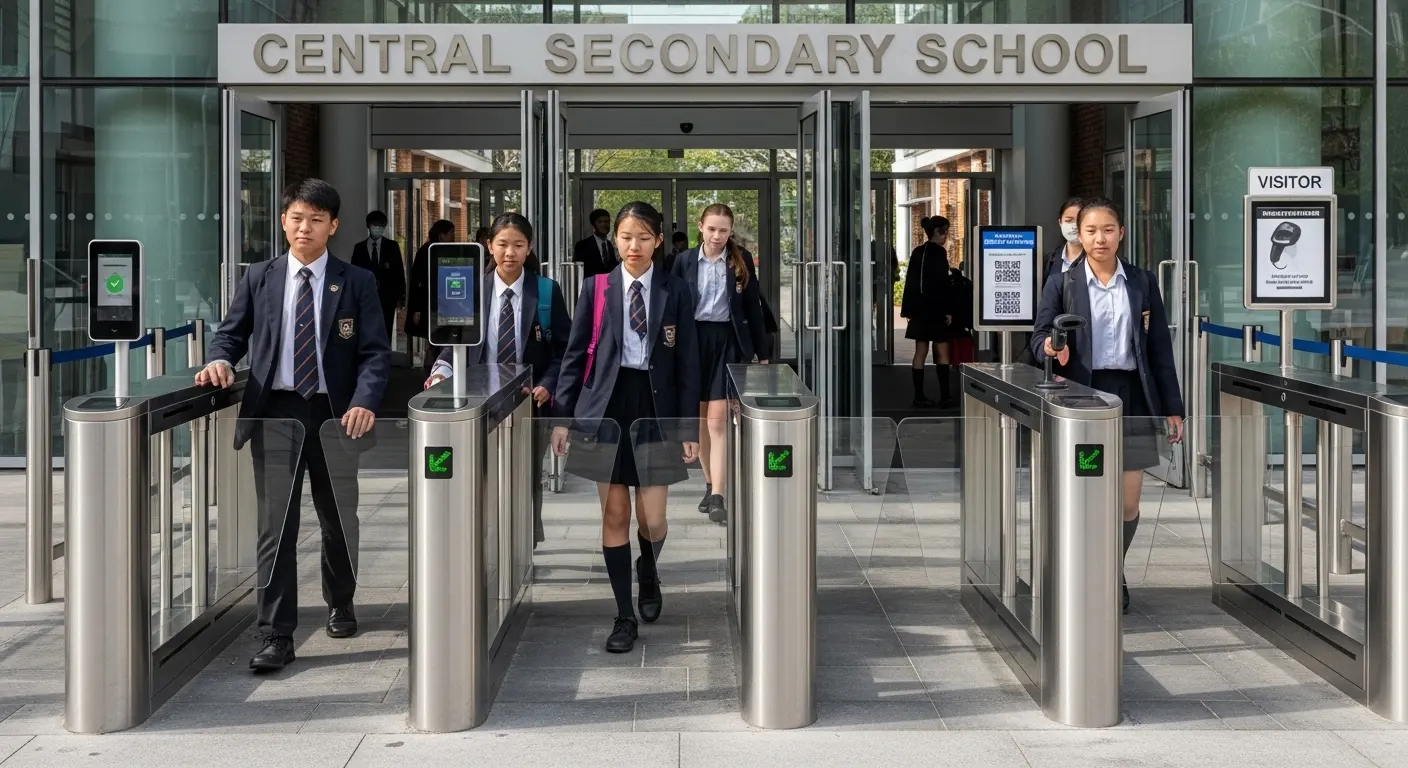
Zarządzanie odwiedzającymi przy bramce bramek szkolnych wymaga osobnego pasa i osobnego kanału poświadczeń. Ruch rodziców i odwiedzających nigdy nie może mieszać się z przepływem kwalifikacji uczniów podczas szczytów przyjazdów i wyjazdów.
Czteroetapowy przepływ pracy w zarządzaniu odwiedzającymi
- Rejestracja wstępna: Odwiedzający rezerwuje lub otrzymuje zaproszenie z wyprzedzeniem. Recepcjonistka wstępnie rejestruje wizytę w systemie kontroli dostępu, generowanie przepustki dla odwiedzających z ograniczonym czasowo ograniczeniem czasu lub kodem kreskowym.
- Rejestracja recepcyjna: Po przybyciu, odwiedzający okazuje dokument tożsamości wydany przez rząd przy recepcji. Szkoła sprawdza dowód tożsamości względem listy osób objętych zakazem i, W wielu misjach, wbrew krajowym rejestrom przestępców seksualnych zgodnie z najlepszą praktyką zarządzania odwiedzającymi K–12.
- Wydany przepustka dla odwiedzających: Wydany jest drukowany lub mobilny bilet dla odwiedzających z kodem QR lub kodem kreskowym — ważny tylko na okno wizyty, na przykład 09:00–11:00 tego dnia.
- Dostęp bramką obrotową: Odwiedzający wnosi przepustkę QR/kod kreskowy przy czytniku pasa dla odwiedzających na bramce bramki szkolnej. Bramka weryfikuje przepustkę względem okna czasowego i przyznaje zdarzenie dostępu z pojedynczym wpisem.
Na podstawie naszego doświadczenia w szkole międzynarodowej, Przepustki dla odwiedzających kodem QR eliminują narzuty związane z zarządzaniem kartami na dużą skalę. System rejestracji wizyt generuje i wysyła przepustkę na telefon odwiedzającego. Brama potwierdza ją po przyjeździe bez udziału personelu przy samej bramce.
Uzyskanie bezpośredniej wyceny fabrycznej bramki bramki szkolnej
Cztery pozycje wystarczą do pełnej, szczegółowej wyceny bezpośrednio w fabryce 12 Godziny otwarcia.
- Określ typ szkoły i liczbę uczniów: Podstawy / Szkoła średnia / Międzynarodowa / uniwersytet + Łączna liczba zapisów i liczba porannych przyjazdów na każde wejście
- Oblicz liczbę linii: Łączna liczba przyjeżdżających uczniów ÷ 15-minutowym oknie ÷ bramce ppm = pasy, plus jeden pas dla obsługi zwiedzających przy każdym wejściu
- Potwierdź rodzaj uprawnień i status RODO: RFID dla podstawowego, RFID lub biometria dla uczniów w wieku średnim — potwierdzić, że dokumentacja zgody rodziców jest na miejscu przed określeniem kwalifikacji biometrycznych dla uczniów pod względem 18
- Prześlij swój brief projektu: odwiedź Strona o kontroli dostępu na kampusie — otrzymaj wycenę szczegółową bezpośrednio od fabryki w ramach 12 Godziny otwarcia, z CE, ISO9001, FCC, oraz dokumenty certyfikacyjne RoHS
Najczęściej zadawane pytania
P1: Jaki typ bramki jest najlepszy do wejścia do szkoły?
Dla głównego wejścia do szkoły podstawowej, Standardową specyfikacją jest wytrzymały statyw obrotowy — mechanicznie wymaga wpisu jednej osoby na każde poświadczenie, IP44–IP54 dla zadaszonych pozycji zewnętrznych, a koszt 200–1400 dolarów za pas. Główne wejście do szkoły średniej lub międzynarodowej, Bariera klapkowa jest lepszą specyfikacją — przepustowość 40–60 ppm pozwala obsłużyć 800–1000 studentów w porannym oknie przyjazdowym trwającym 15–20 minut bardziej niezawodnie niż statyw bez dodawania dodatkowych pasów. Dla wejść do budynków uniwersyteckich i kolegiów, Szklana bramka przesuwna o prędkości 50–80 ppm radzi sobie z przeskokiem między wykładami, jednocześnie prezentując nowoczesne, Profil niskobarierowy odpowiedni dla dorosłych uczniów.
P2: Jak bramka bramki szkolnej pomaga w ochronie?
Brama bramki szkolnej wspiera ochronę poprzez fizyczne egzekwowanie wejścia jednej osoby na każde świadectwo — osoba nieupoważniona nie może przejść za uczniem przez bramę bez uruchomienia alarmu. Każde zdarzenie zgłoszeniowe jest rejestrowane z datą czasu i tożsamością uwierzytelnienia, Tworzenie ścieżki audytowej wymaganej przez procesy przeglądu zabezpieczającego. Dostęp dla odwiedzających jest możliwy osobnym pasem za pomocą czasowo ograniczonego przepustki QR lub kodu kreskowego, wydawane dopiero po rejestracji dokumentu tożsamości przy recepcji. W ramach brytyjskich ram KCSIE, Ta fizyczna warstwa kontroli dostępu spełnia wymóg zarządzania dostępem do obiektu oraz ochrony studentów przed nieautoryzowanym kontaktem.
P3: Jakiego certyfikatu powinien używać bramka szkolna dla uczniów szkół podstawowych?
Uczniowie szkół podstawowych w wieku 5–11 lat powinni używać identyfikatora RFID lub opaski RFID jako karty szkolnej. Działają one w zakresie odczytu 30–35 mm — dziecko przechodzi przez pas statywu bez zatrzymywania się lub orientowania karty. Uprawnienia biometryczne (Odcisk palca, Rozpoznawanie twarzy) Nie są zalecane dla uczniów szkół podstawowych z dwóch powodów: przechowują dane biometryczne specjalnej kategorii wymagające pisemnej zgody rodziców zgodnie z artykułem RODO 9, a czas przetwarzania dla małych dzieci jest mniej stały niż RFID podczas porannych warunków przyjścia pod wysokim ciśnieniem.
P4: Ile pasów bramek musi potrzebować szkoła na poranny szczyt przyjściowy?
Użyj tego wzoru: Łączna liczba przybywających uczniów ÷ okresie szczytowym (protokół) ÷ przepustowość bramki (ppm) = pasy. Dla szkoły średniej z 800 Studentów, okno przybycia wytrwało 15 minut, oraz bariery klapkowe w miejscu 50 ppm: 800 ÷ 15 = 53 wpisy/minuta ÷ 50 ppm = 1.1 Pasy — określ 2 Lap barrier Las Plus 1 Pas dla odwiedzających. Dla szkoły podstawowej z 400 Studentów, okno 20 minut, oraz statywy na 30 ppm: 400 ÷ 20 = 20 wpisy/minuta ÷ 30 ppm = 0.67 Pasy — określ 2 Panie trójnogowe. Zawsze dodaj jeden pas zarządzania odwiedzającymi, oddzielny od ścieżek uprawnień studenckich.
P5: Czy RODO dotyczy biometrycznych bramek bramek obrotowych w szkołach??
Tak. Dane biometryczne — odciski palców i szablony rozpoznawania twarzy — są klasyfikowane jako dane kategorii specjalnej zgodnie z artykułem RODO 9 (MY) oraz brytyjskie RODO administrowane przez ICO. Dla uczniów pod kierunkiem 18 w Wielkiej Brytanii, Przed wdrożeniem jakiegokolwiek systemu poświadczenia biometrycznego przy bramce bramek szkolnych wymagana jest pisemna zgoda rodziców. Szkoły, które wdrożyły systemy biometryczne bez zgody rodziców, zostały zobowiązane przez brytyjski ICO do usunięcia lub zawieszenia systemu po złożeniu skargi na ochronę danych. Dla uczniów w wieku wiekowym 18 i over (Uniwersytet/College's), Wystarczy pisemna zgoda ucznia.
P6: Jak zarządzać dostęp rodziców i gości przez bramkę bramkową w szkole?
Zarządzanie odwiedzającymi przy bramce bramek szkolnych wymaga dedykowanego pasa dla odwiedzających z czytnikiem kodów kreskowych/QR, oddzielne od ścieżek uprawnień RFID dla uczniów. Proces przebiega po czterech etapach: Wstępna rejestracja przez zespół recepcyjny szkoły, Sprawdź tożsamość na liście osób zakazanych szkoły oraz rejestrze przestępców seksualnych po przyjeździe, wydanie czasowo ograniczonej przepustki dla odwiedzających QR/kodów kreskowych, oraz weryfikację przepustki przy bramce na czytniku pasa dla odwiedzających. Przepustka jest ważna tylko w okienku wstępnej rejestracji. Zapobiega to wpływowi odwiedzających na przepływ uprawnień studenckich podczas szczytu przyjazdu i wyjazdu oraz utrzymuje ścieżkę audytu zabezpieczającego dla każdego wydarzenia wejścia odwiedzającego.
Trzy decyzje definiujące specyfikację bramki bramki szkolnej
Typ bramy dopasowany do typu szkoły i wieku uczniów, Liczba porannych pasów przyjazdów obliczana na podstawie wzoru przepustowości, oraz dokumentacja zgody rodziców zgodnie z RODO potwierdzona przed uruchomieniem systemu biometrycznego — te trzy decyzje decydują, czy bramka bramek szkolnych spełnia zarówno briefing safeguard, jak i operational brief w pierwszym dniu semestru.
Ironman produkuje bramki obrotowe bezpośrednio w szkołach podstawowych, Szkoły średnie, Szkoły międzynarodowe, Kampusy uniwersyteckie, oraz szkoły z internatem na terenie 50+ Krajach. Wyślij swój typ szkoły, Liczba uczniów, oraz brief wejściowy przezStrona o rozwiązaniach bram bram dla szkół i uniwersytetów Pełna wycena szczegółowa od fabryki w ramach 12 Godziny otwarcia.
