


Wyjaśnienie integracji bramki bramki optycznej: RFID, QR, I dostęp mobilny w jednym płynnym przepływie
2026-02-25


Integracja z bramką bramki optycznej to sytuacja, w której "zgoda udzielona" staje się sejfem, Zweryfikowane przejście — bez spowolnienia wejścia. W wielu 2026 Projekty, Placówki nie opierają się na jednym rodzaju uprawnień. Łączą karty RFID dla pracowników, Kody QR dla odwiedzających, oraz mobilne poświadczenia do elastycznego dostępu. Wyzwanie rzadko leży po stronie samego czytelnika. Prawdziwym wyzwaniem jest stworzenie całego łańcucha — urządzenia uwierzytelniającego, Kontroler dostępu, Warstwa detekcji, oraz ruch barier — działają jak jedna stała rutyna, godzina po godzinie, Dzień po dniu.
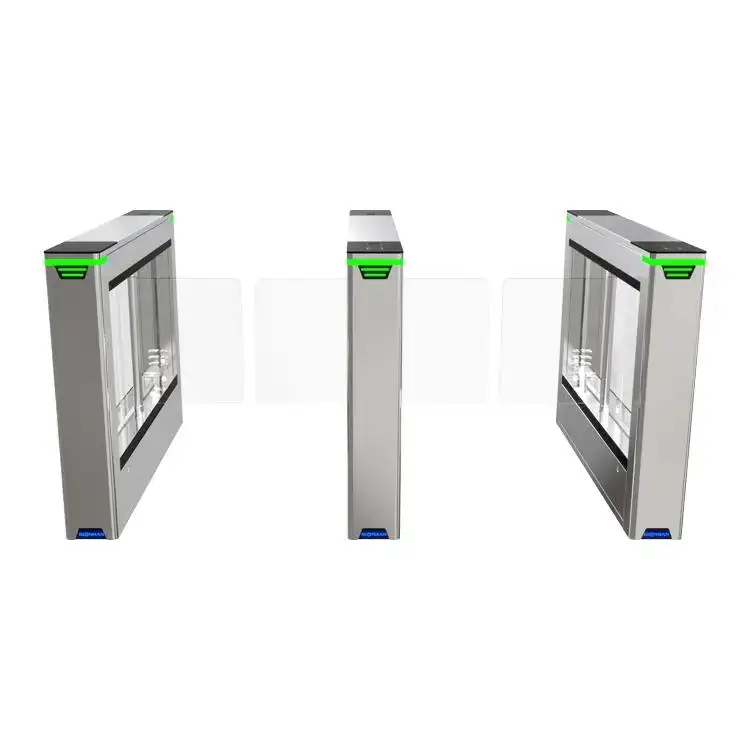
Z perspektywy produkcji IRONMAN Intelligent, Najlepsza integracja ma trzy rezultaty: Dla użytkowników to wydaje się bezwysiłkowe, Generuje czyste rejestry dla zespołów bezpieczeństwa, i pozostaje stabilny przy rzeczywistym ruchu. Nowoczesna brama bramki obrotowej nie jest "głupią barierą". To inteligentny punkt końcowy, który powinien potwierdzić przejście, wyjątki obsługi, i szybko resetować się na kolejną osobę — żeby pas nigdy nie musiał zgadywać.
Podstawy integracji: Skręcanie a Uprawnienia Into a Zweryfikowany fragment
Gdy kupujący porównują bramkę bramki optycznej, Łatwo jest skupić się na mieszkaniach, Finisz, lub szerokość pasa. Ale codzienne wyniki definiuje to, co dzieje się po wręczeniu certyfikatu. Integracja to podręcznik, który decyduje o tym:
• Jak system waliduje uprawnienia
• Jak brama się zwalnia i na jak długo trwa
• Jak czujniki potwierdzają przejście jednej osoby
• Sposób rejestrowania zdarzenia, w tym alarmy i nieprawidłowe przypadki
Dobrze zaprojektowana integracja powinna konsekwentnie przynosić wyniki:
✓ Szybka odpowiedź na zatwierdzenie do wydania, więc kolejki nie budują się w godzinach szczytu
✓ Jedno poświadczenie, Logika jednej osoby, więc jedno poprawne skanowanie nie "obejmuje" dwóch wpisów
✓ Rejestry do śledzenia, Dzięki temu zespoły mogą przeglądać wydarzenia bez polegania na ręcznym raportowaniu
Pomyśl o bramie bramki optycznej jako o widocznym "recepcji". Integracja to proces stojący za biurkiem, który zapewnia spójność decyzji, powtarzalne, oraz przyjazne audytom.
Integracja RFID: Szybkie wejście korporacyjne bez chaosu
RFID pozostaje powszechnym wyborem dla pracowników, ponieważ jest znajomy i szybki. W większości misji, czytnik RFID stoi na bramie lub na postumencie, podczas gdy kontroler dostępu wykonuje faktyczne sprawdzanie uprawnień. Najlepszy przepływ RFID jest prosty i przewidywalny:
Stuknij → Zweryfikowaj → Autoryzuj → otwórz → Potwierdź → reset.
Oto jak zazwyczaj działa stabilna rutyna RFID w terenie:
✓ Tap: użytkownik pokazuje kartę RFID
✓ Walidacja: Kontroler sprawdza tożsamość, Zasady harmonogramu, oraz pozwolenia
✓ Autoryzuj: Sterownik wysyła sygnał decyzyjny do bramki (W zależności od projektu systemu)
✓ Otwórz: Brama bramek optycznych zwalnia barierę
✓ Potwierdź: Czujniki weryfikują ruch jednej osoby na pasie
✓ Reset: skrzydła się zamykają, a pas wraca do trybu czuwania
Ta sekwencja wygląda na prostą, Ale właśnie tam "tania integracja" często zawodzi. Jeśli brama się otworzy, ale nie można potwierdzić przejścia bez problemu, wejście staje się niechlujne pod presją. Możesz zauważyć, że skrzydła pozostają rozchylone zbyt długo, Powtarzane skanowanie, lub niepewne alarmy, które personel zaczyna ignorować.
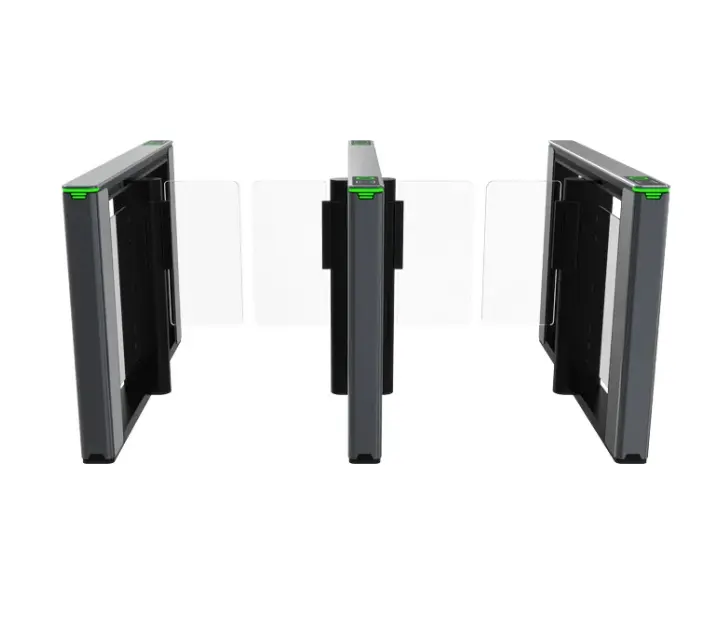
Dla stron o dużym natężeniu ruchu, Stabilność czasowa ma znaczenie. IM.LB.01 jest zaprojektowany do ruchliwych miejsc i umożliwia deklarowaną prędkość przejazdów ≤45 osób/min. W rzeczywistych operacjach, Ta wartość pojawia się, gdy czas otwarcia i zamknięcia pozostaje stały nawet podczas gęstego przepływu — zamiast przechodzić w niepewne ruchy powodujące mikroopóźnienia i długie kolejki.
Integracja kodów QR: Wygoda dla odwiedzających z realną kontrolą
Dostęp QR jest popularny wśród odwiedzających, Wykonawców, oraz wydarzenia, ponieważ zmniejsza to obciążenie recepcją. Ale QR jest też łatwy do nadużycia, jeśli system nie obsługuje przypadków brzegowych. Prawdziwe strony często napotykają takie sytuacje jak:
• Skanowanie kodu QR dwukrotnie w kolejce
• Ponowne wykorzystanie zrzutu ekranu
• Kod wygasający, gdy gość wciąż czeka
Ludzie próbujący "dokończyć" poprawne skanowanie
Dlatego integracja QR wymaga dwóch warstw: Logika weryfikacji i egzekwowanie przejścia. Bez obu, QR staje się wygodny, ale nie kontrolowany.
Większość projektów wykorzystuje QR w jednym z tych wzorców:
✓ Walidacja online: QR jest sprawdzany względem platformy dla odwiedzających (przydatne przy mianowaniach)
✓ Walidacja offline/whitelist: Poświadczenia są wstępnie nadawane i przechowywane lokalnie, aby zmniejszyć zależność od sieci
Metoda może się różnić, ale prawda fizyczna musi pozostać spójna: Brama Bram Optycznych Bram Bram musi nadal wymuszać przejście dla jednej osoby.
To właśnie tutaj wyczuwanie przestaje być "cechą" i staje się podstawą zaufania. The IM.LB.01 wykorzystuje 8-punktowe wykrywanie podczerwieni (8 Par), pozwalając pasowi odczytywać wzorce ruchu zamiast polegać na pojedynczej wiązce.
✓ Redukuje "skan raz", dwie osoby wchodzą" ryzyko przez silniejsze potwierdzenie przejścia
✓ Poprawia dyscyplinę w kolejce, ponieważ informacja zwrotna jest natychmiastowa i spójna
✓ Wspiera wyraźniejsze alarmy przy wykryciu nieprawidłowego ruchu
QR może być zarówno przyjazny użytkownikowi, jak i bezpieczny — gdy brama bramki optycznej weryfikuje, co faktycznie wydarzyło się na pasie, nie tylko to, co zostało zeskanowane.
Integracja z dostępem mobilnym: Elastyczne uprawnienia, które nadal wydają się natychmiastowe
Liczba danych uwierzytelniających mobilnych rośnie, ponieważ użytkownicy wolą telefony zamiast identyfikatorów, a administratorzy lubią elastyczne wydawanie. Dostęp mobilny obsługuje uprawnienia ograniczone czasowo, Zdalne wdrożenie, oraz polityki oparte na rolach. Ale mobilność wprowadza też zmienne, których RFID nie oferuje, jak:
• Różnice w przekazywaniu Bluetooth/NFC między urządzeniami
• Status aplikacji (Nie otwarte, Ekran zamknięty, Powiadomienia zablokowane)
• Zależność od sieci (Opóźnienie weryfikacji w chmurze)
• Zachowanie użytkownika (Tempo chodzenia, wahanie, Niska bateria)
Stabilny mobilny przepływ pracy przewiduje te realia i utrzymuje pas przewidywalny:
Obecne → Decyduj → wydanie → Verify → log
W praktyce:
✓ Obecnie: użytkownik dotyka NFC lub uruchamia dane uwierzytelniające w aplikacji
✓ Zdecyduj: Kontroler/platforma weryfikuje autoryzację
✓ Release: Sygnał otwarty jest wydawany natychmiast po zatwierdzeniu
✓ Zweryfikować: czujniki potwierdzają ruch jednej osoby
✓ Log: wydarzenie jest przechowywane na potrzeby audytów, Alarmy, lub analityka
Dostęp mobilny wydaje się "premium" tylko wtedy, gdy jest szybki. Dlatego układ napędowy jest częścią jakości integracji, To nie osobny temat. The IM.LB.01 wykorzystuje mechanizm napędzany serwami i dąży do długoterminowej stabilności z 30M+ cyklami bez konserwacji. Operacyjnie, to przekłada się na:
✓ Mniej przerw w usługach przy dużych częstotliwościach użytkowania
✓ Spójne otwarcie-zamknięcie dla szybkich chodców, Wolni użytkownicy, oraz mieszane tłumy
✓ Niższe ryzyko długoterminowe, gdy przestoj na wejściu jest kosztowny
Płynne doświadczenie z bramką obrotową optyczną pomaga szybko zdobyć zaufanie użytkowników — zwłaszcza podczas przejścia z fizycznych kart.
Warstwa uścisku dłoni: Gdzie integracja albo działa, albo się psuje
Gdy RFID, QR, i mobilne wszystkie podłączają się do tego samego wejścia, Integracja wymaga stabilnego "handshake" między kluczowymi komponentami:
• Urządzenia uwierzytelniające (Czytnik RFID / Skaner QR / Terminal mobilny)
• Kontroler dostępu (Silnik zezwoleń)
• Brama bramek obrotowych (Aktywacja + bezpieczeństwo + Wykrywania)
• Platforma zarządzania (wyrąb, Alarmy, Konfiguracja zdalna)
Częstym błędem zakupowym jest traktowanie bramki jako pasywnego urządzenia, które otwiera się na komendę. Nowoczesna brama bramek obrotowych musi zachowywać się jak inteligentny punkt końcowy. Nie powinno się tylko otwierać, ale także potwierdzać przejście, wykrywanie nieprawidłowych wzorców, i szybko resetować.
The IM.LB.01warstwa detekcyjna — 8 par czujników podczerwieni — wspiera zachowania sprawiające, że integracja jest niezawodna:
✓ Wykrywanie przeciw tailgatingowi poprzez rozpoznawanie nieprawidłowego ruchu następnego
✓ Czystsza logika "przejścia ukończona", Zmniejszenie liczby fałszywych przypadków "otwartych zbyt długo"
✓ Szybszy reset pasa, Utrzymanie ciągłego przepływu podczas szczytowego ruchu
Innymi słowy, Integracja to nie tylko "okablowanie". To logika sterowania zamienia wejście w przewidywalny system — gdzie zarówno użytkownicy, jak i zespoły bezpieczeństwa mogą ufać wynikom.
Szczegóły wdrożeń, które sprawiają, że integracja jest skuteczna in Rzeczywiste Strony
Nawet doskonały sprzęt może działać gorzej, jeśli wdrożenie ignoruje rzeczywiste warunki. Praktyczne wdrożenie uwzględnia mieszane grupy użytkowników, dostępność, Zachowanie awaryjne, oraz klarowność wizualną. Celem jest ograniczenie liczby ponownych skanów, wahanie, oraz nawyki "ludzkich obejść".
Sprawdzone w terenie rozważania obejmują:
✓ Planowanie pasów: Zachowaj standardowe pasy dla codziennych użytkowników, oraz zapewnienie szerszego dostępu tam, gdzie jest to konieczne
✓ Czysta informacja zwrotna statusu: Zielony oznacza autoryzację, a czerwony odmowę/standby zmniejsza wahanie
✓ Interfejs awaryjny: Powiązanie z systemami alarmu przeciwpożarowego, więc zachowanie ewakuacyjne jest poprawne
✓ Zachowanie związane z utratą mocy: wspieraj logikę bezpiecznego wyjścia, aby zmniejszyć ryzyko podczas przerw w dostawie
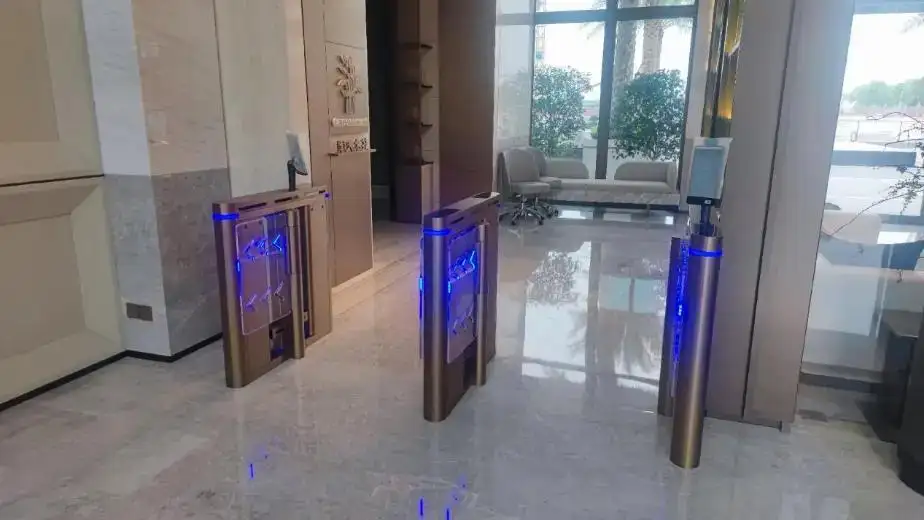
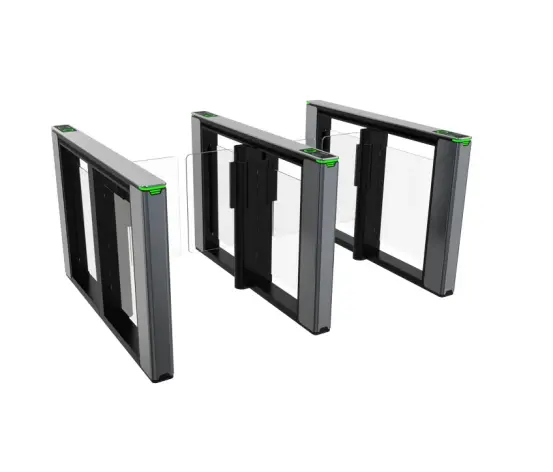
Projekt ma większe znaczenie, niż wielu nabywców zabezpieczeń się spodziewa — zwłaszcza w ekskluzywnych miejscach komercyjnych. The IM.LB.01 Obsługuje kompaktowy profil (1500 × 120 × 980 Mm) i pasuje do nowoczesnych wejść architektonicznych bez konieczności wprowadzania niewygodnych obejść. Dobrze zaprojektowana brama bramek obrotowych staje się częścią tożsamości budynku, jednocześnie zapewniając ścisłą kontrolę dostępu i mierzalną dyscyplinę wejścia.
CTA (Telefon-tO-Action)
Jeśli twoja 2026 projekt wymaga RFID, QR, oraz integrację mobilnych poświadczeń, skontaktuj się z IRONMAN Intelligent z typem swojej strony (biuro, metro, kampus, rząd), Oczekiwany szczytowy przepływ, Wymagania dotyczące szerokości pasa, oraz szczegóły platformy kontroli dostępu. Zalecamy konfigurację bramki bramki optycznej opartą na IM.LB.01, Udostępniaj praktyczną logikę integracji (Sygnały, Przepływ weryfikacji, oraz strategia sensorów), oraz przedstawić szczegółową wycenę w ramach 12 godziny na utrzymanie stajni, Powtarzalne wdrożenie.
